Crowded, Visited, Far Away
2015–2016
The series
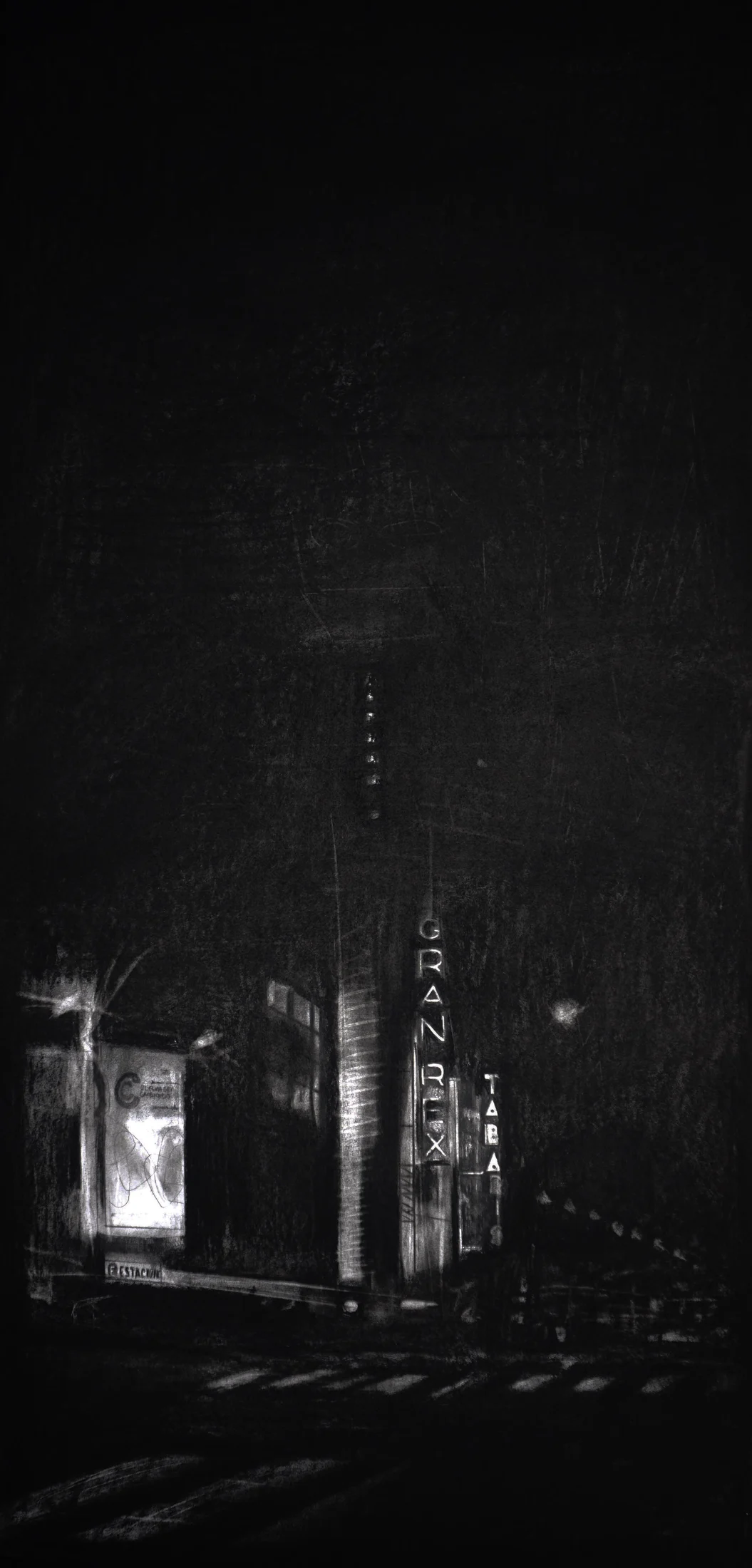
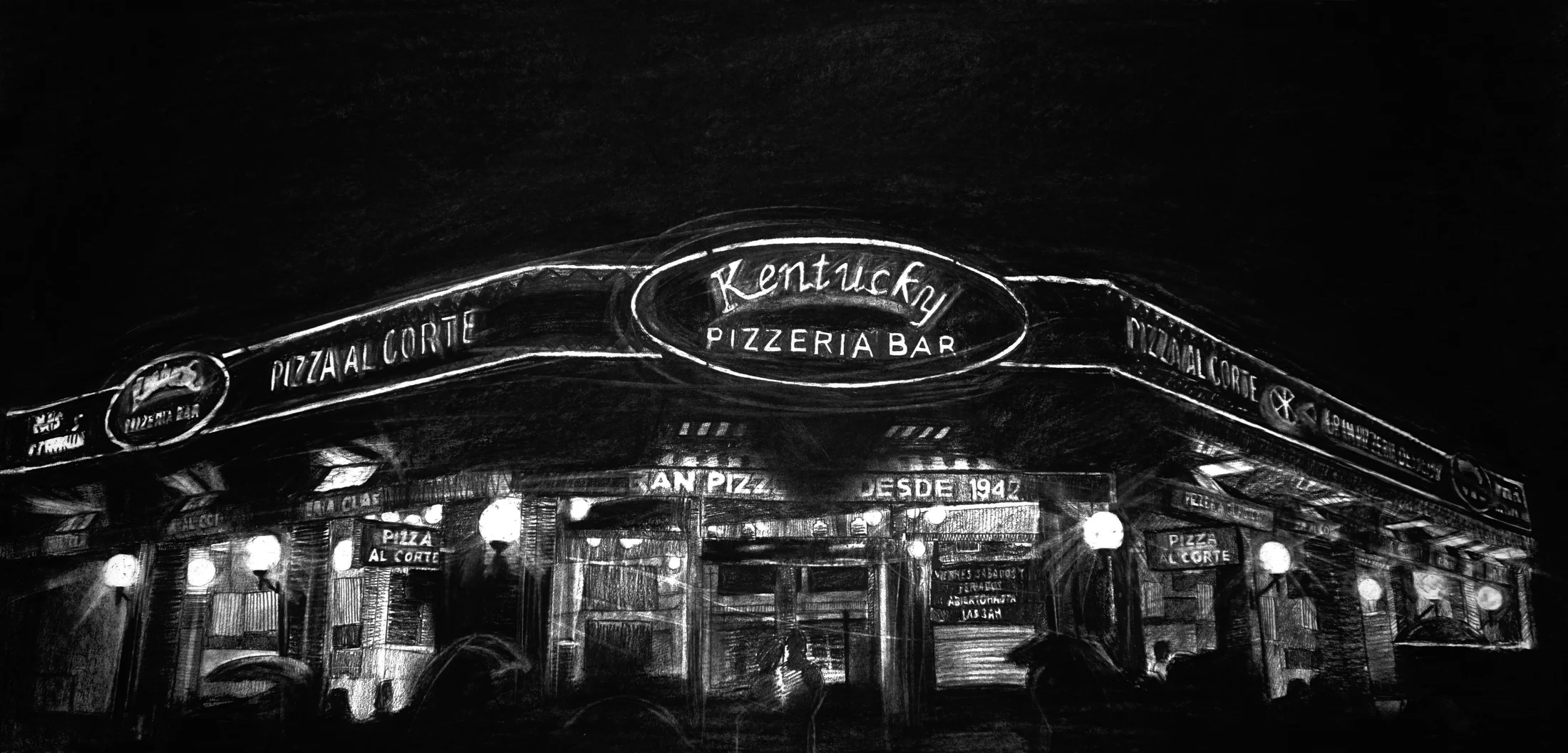
Night scenes
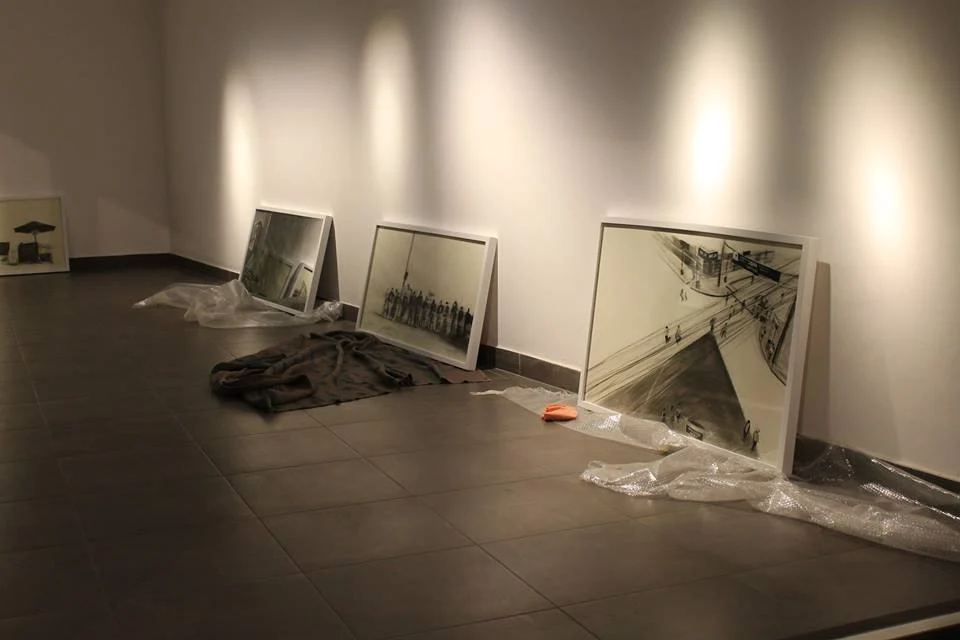
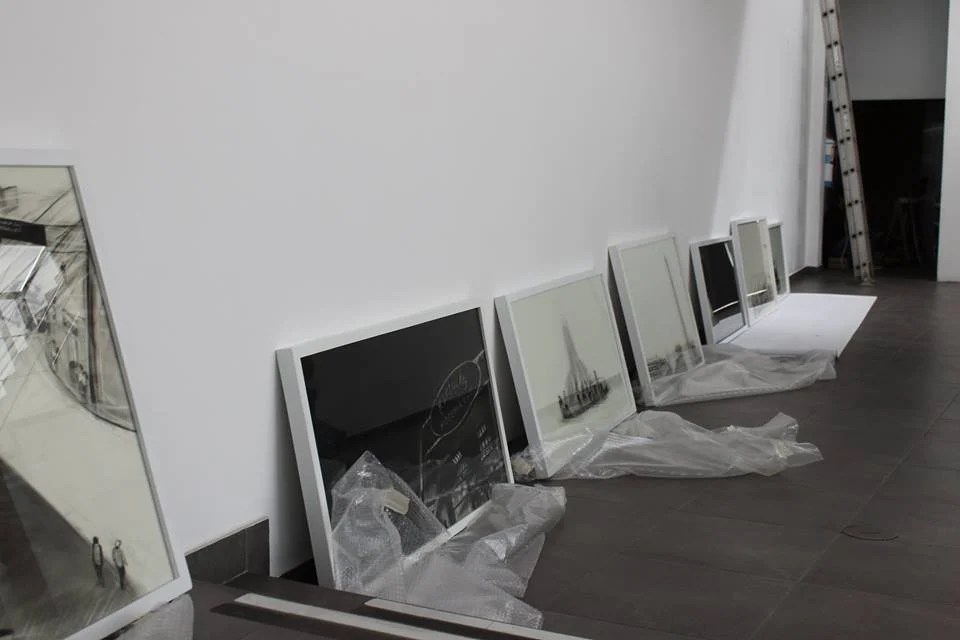
Installation process
Films
Reading and archive
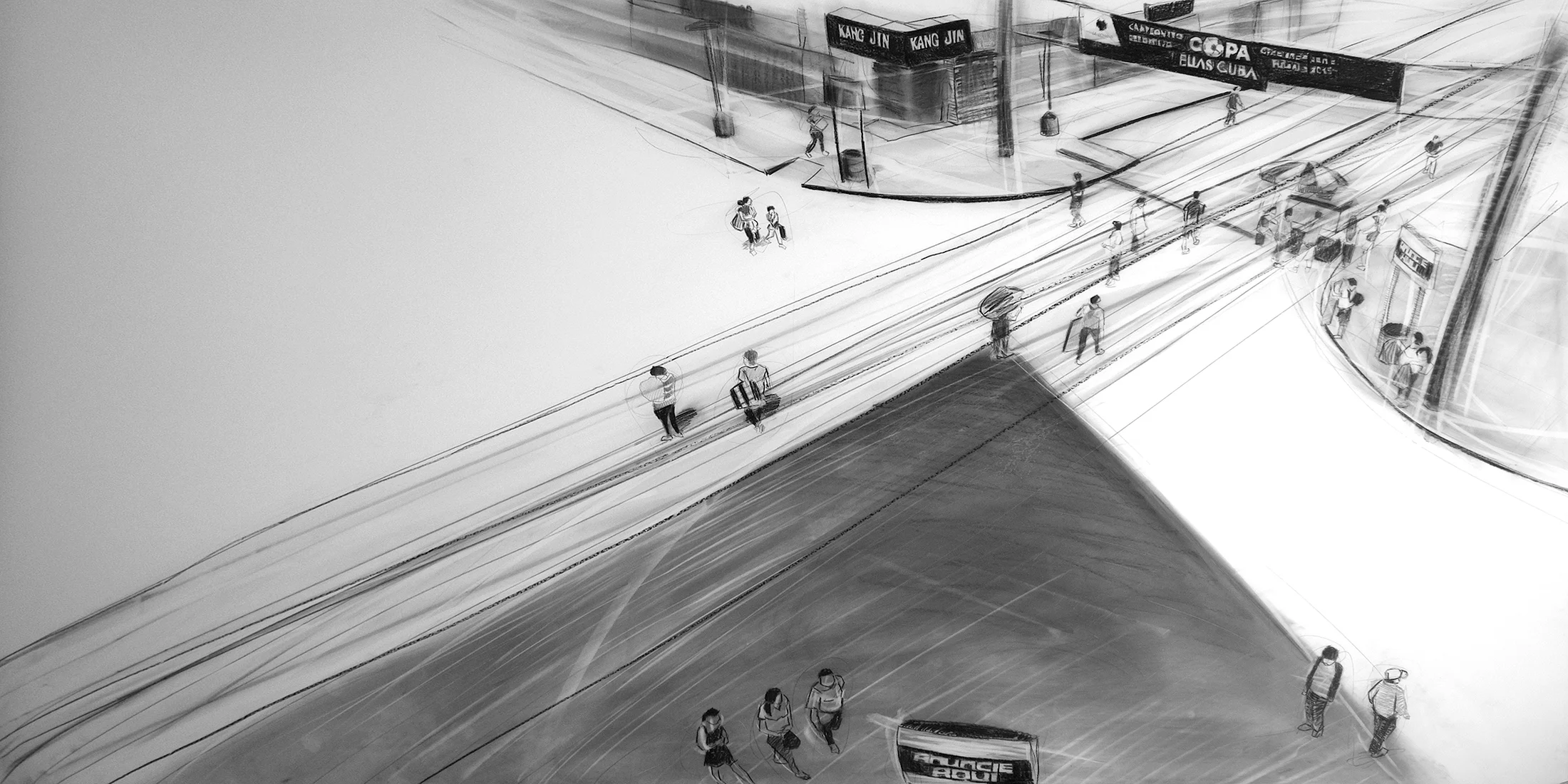
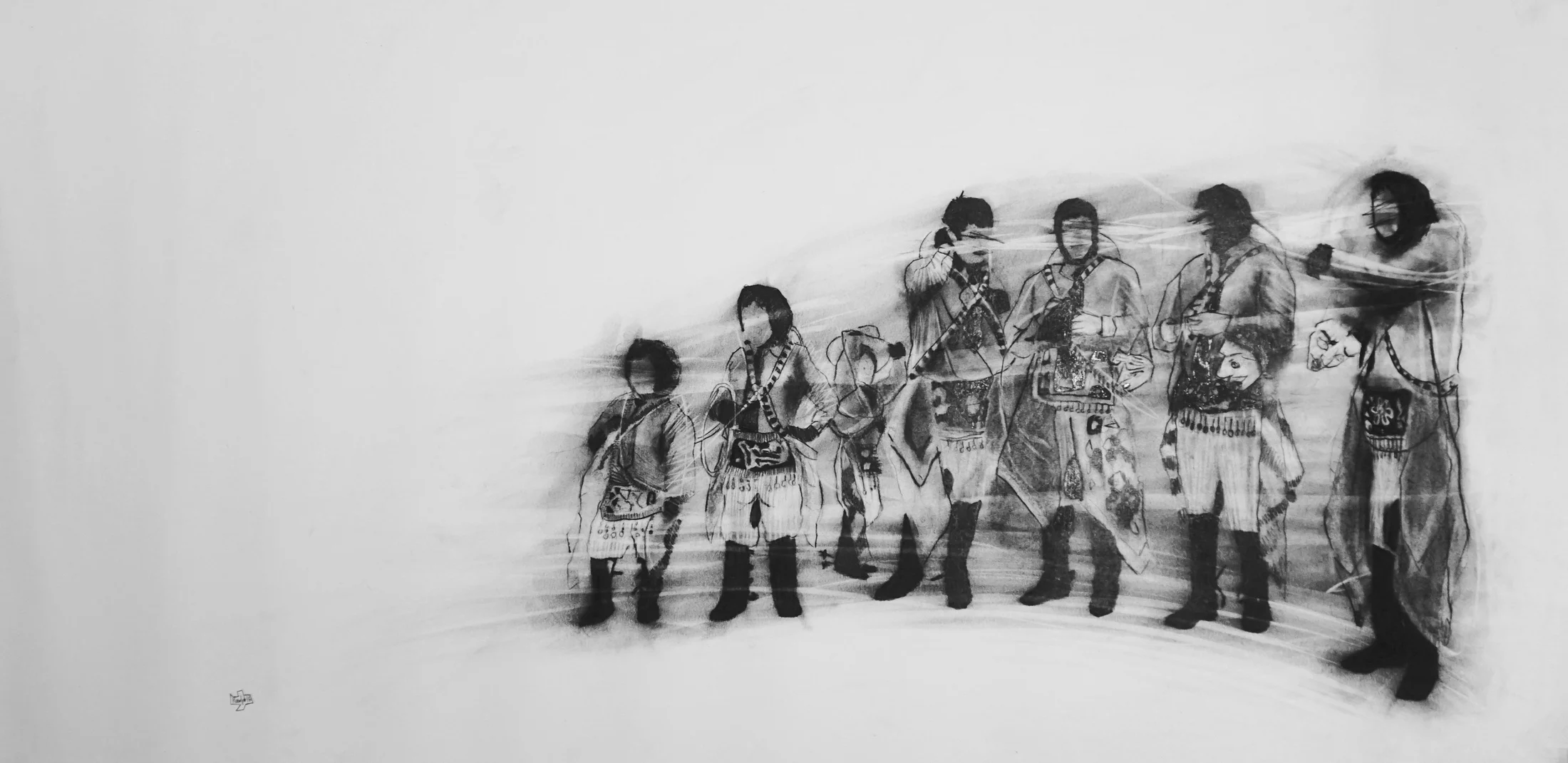
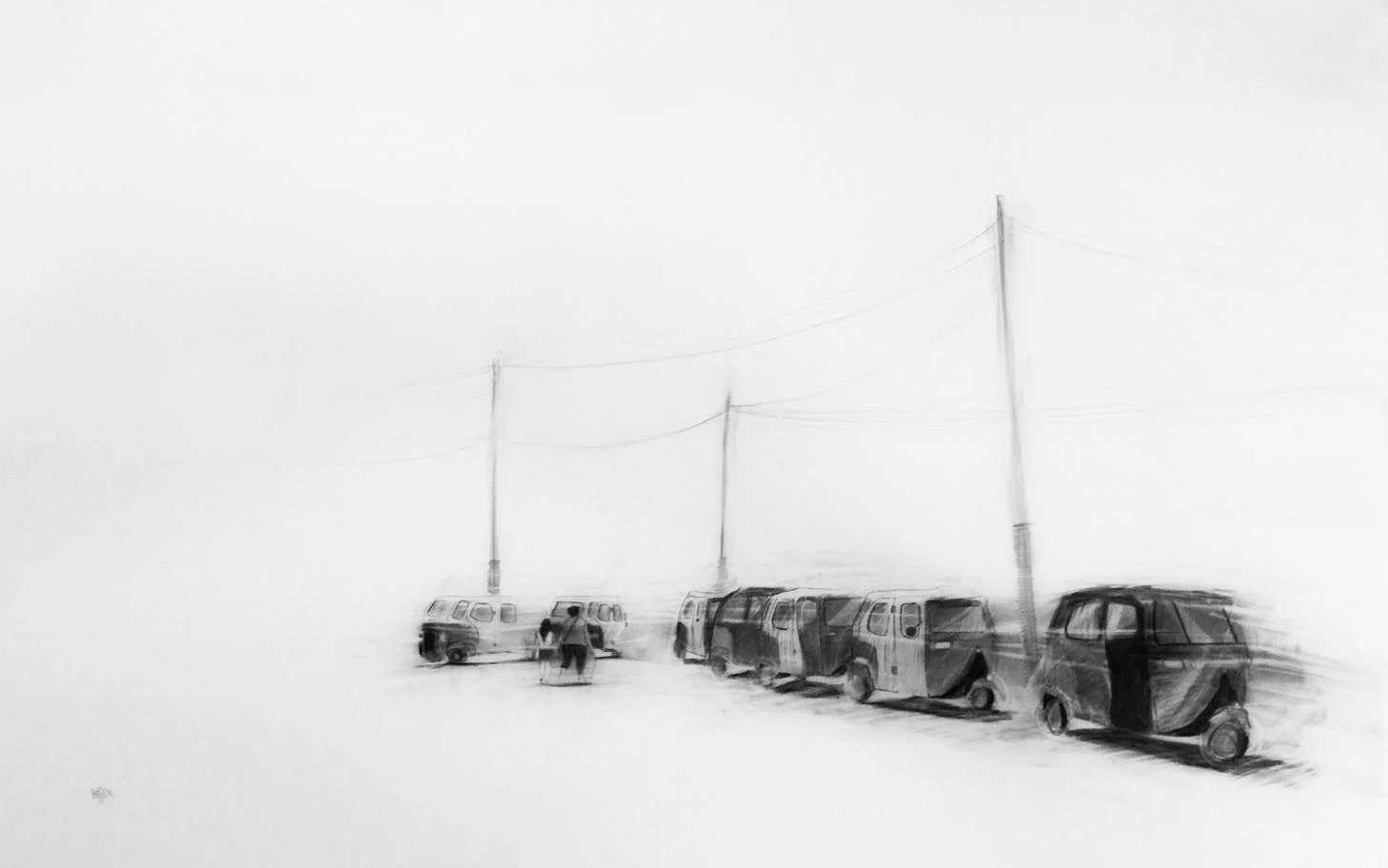
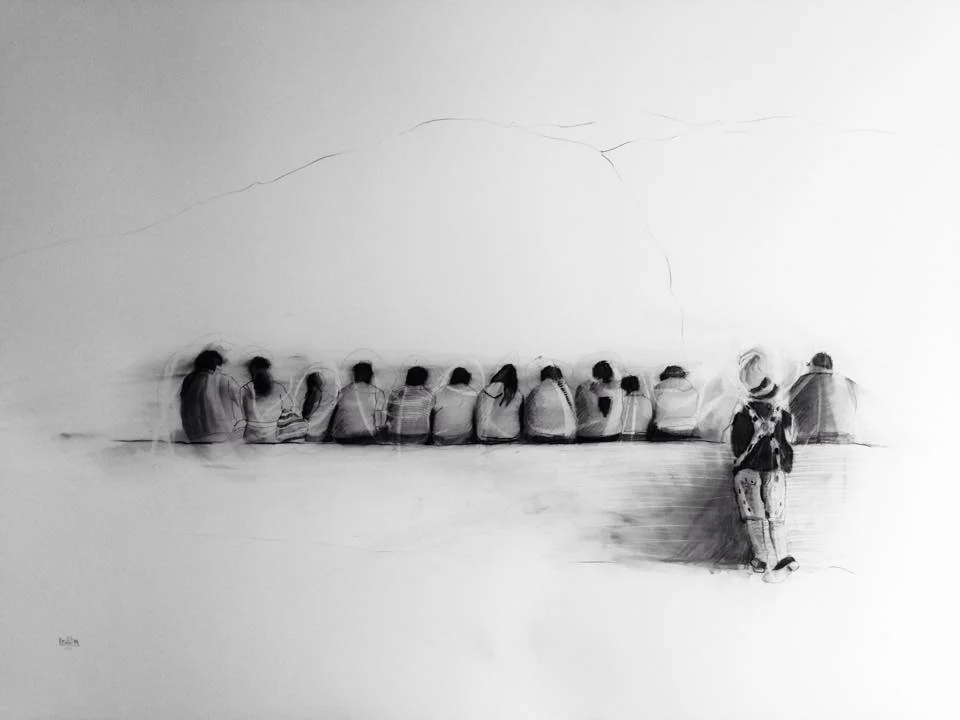
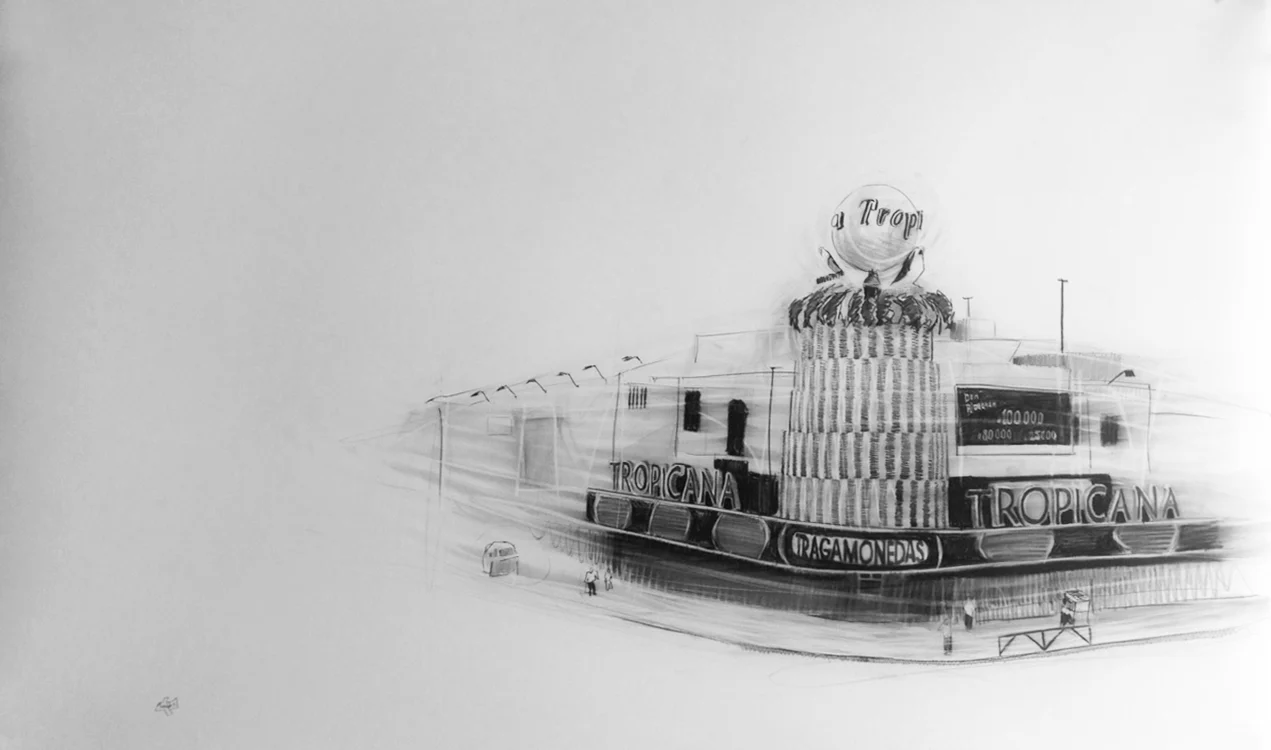
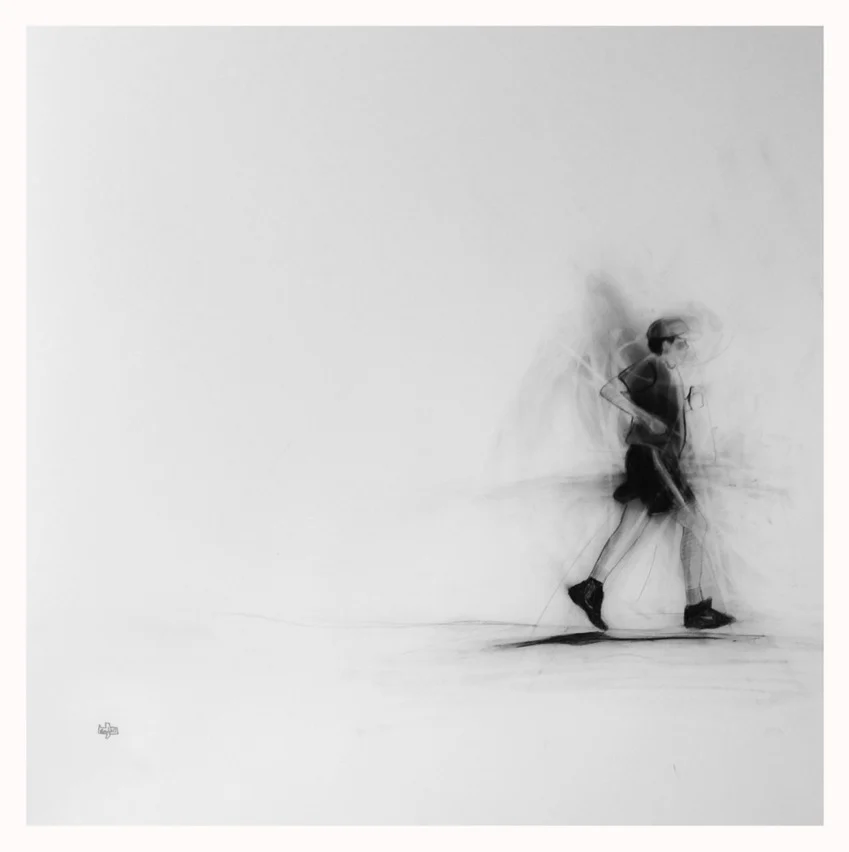
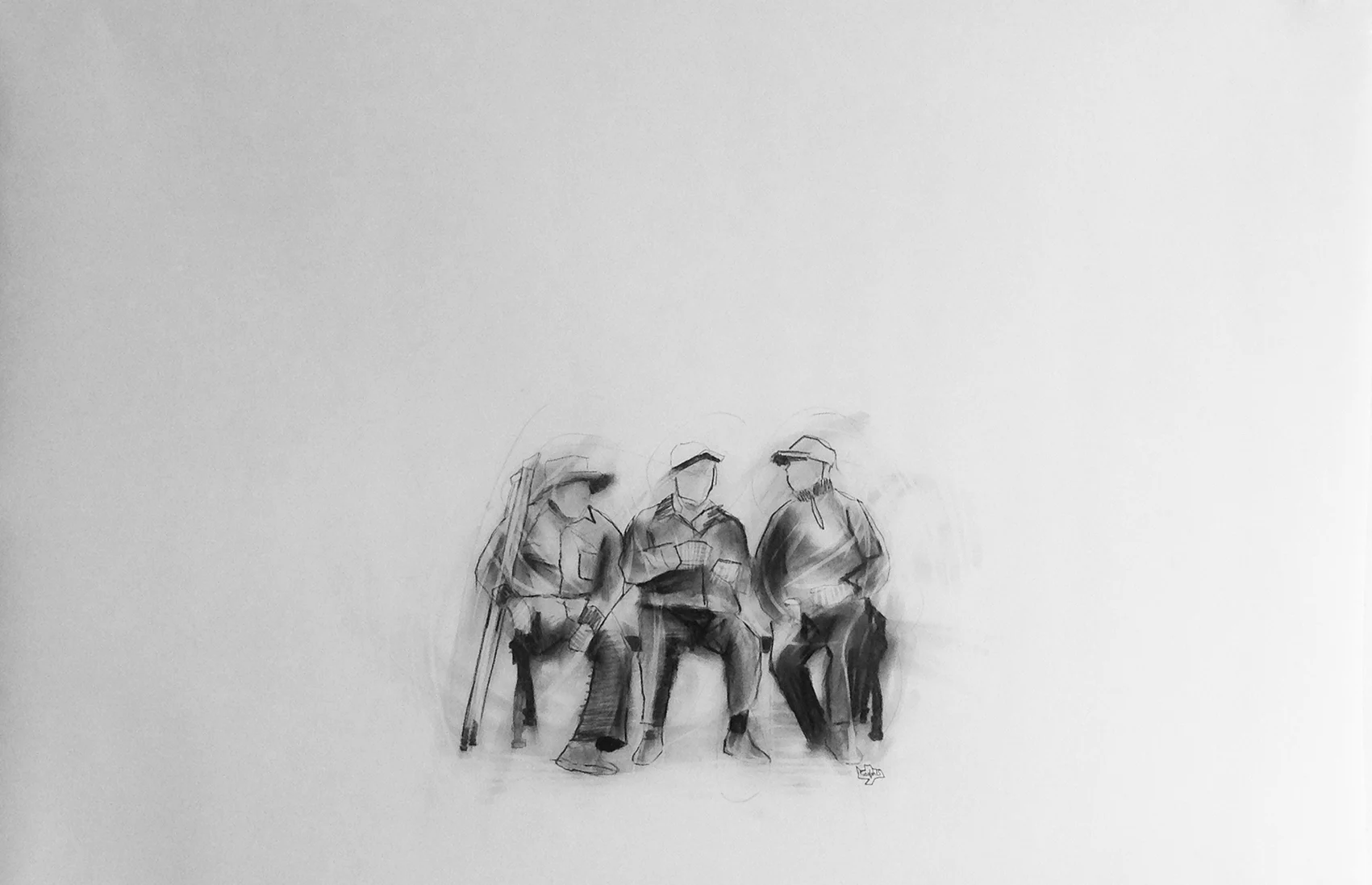
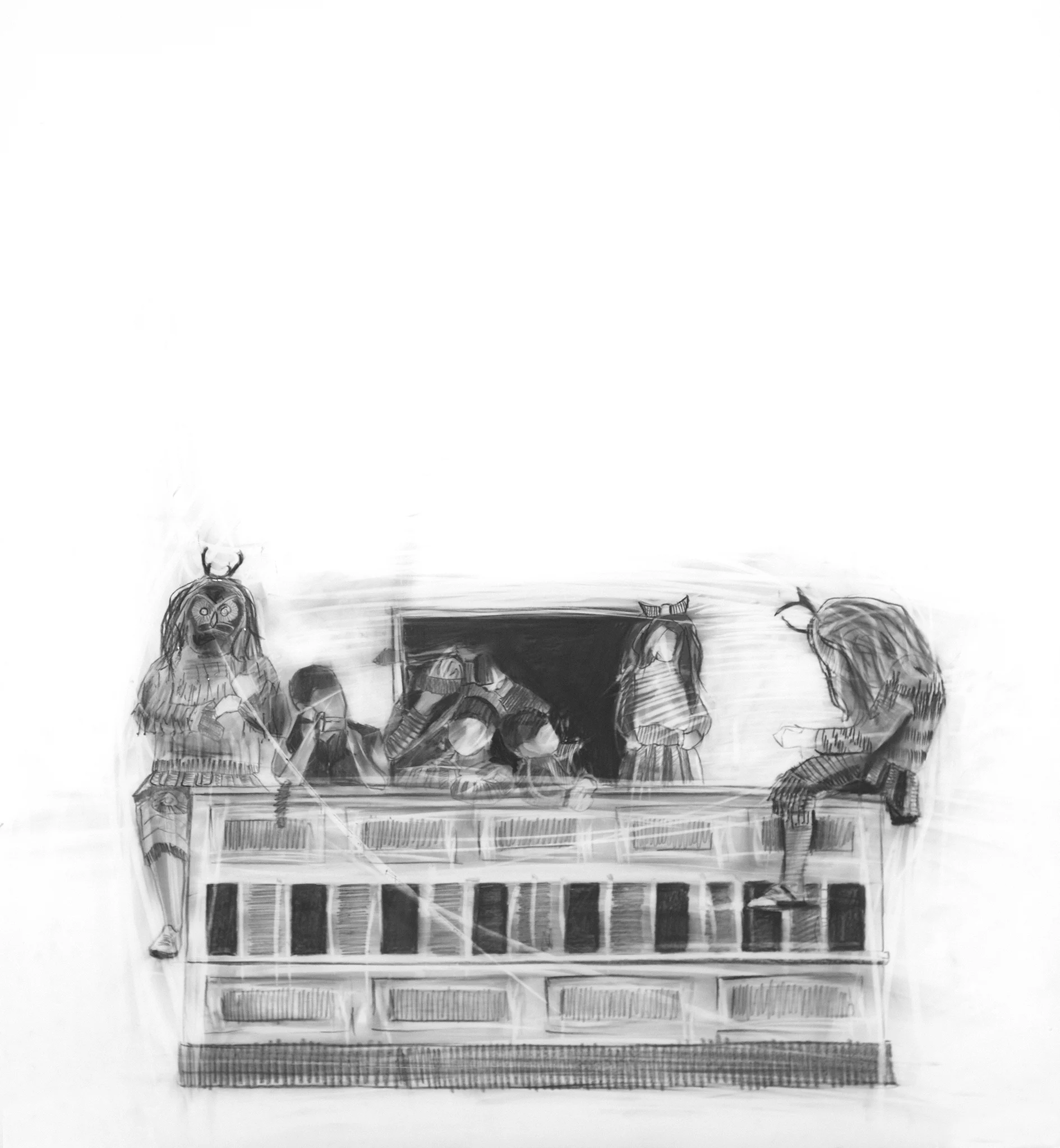
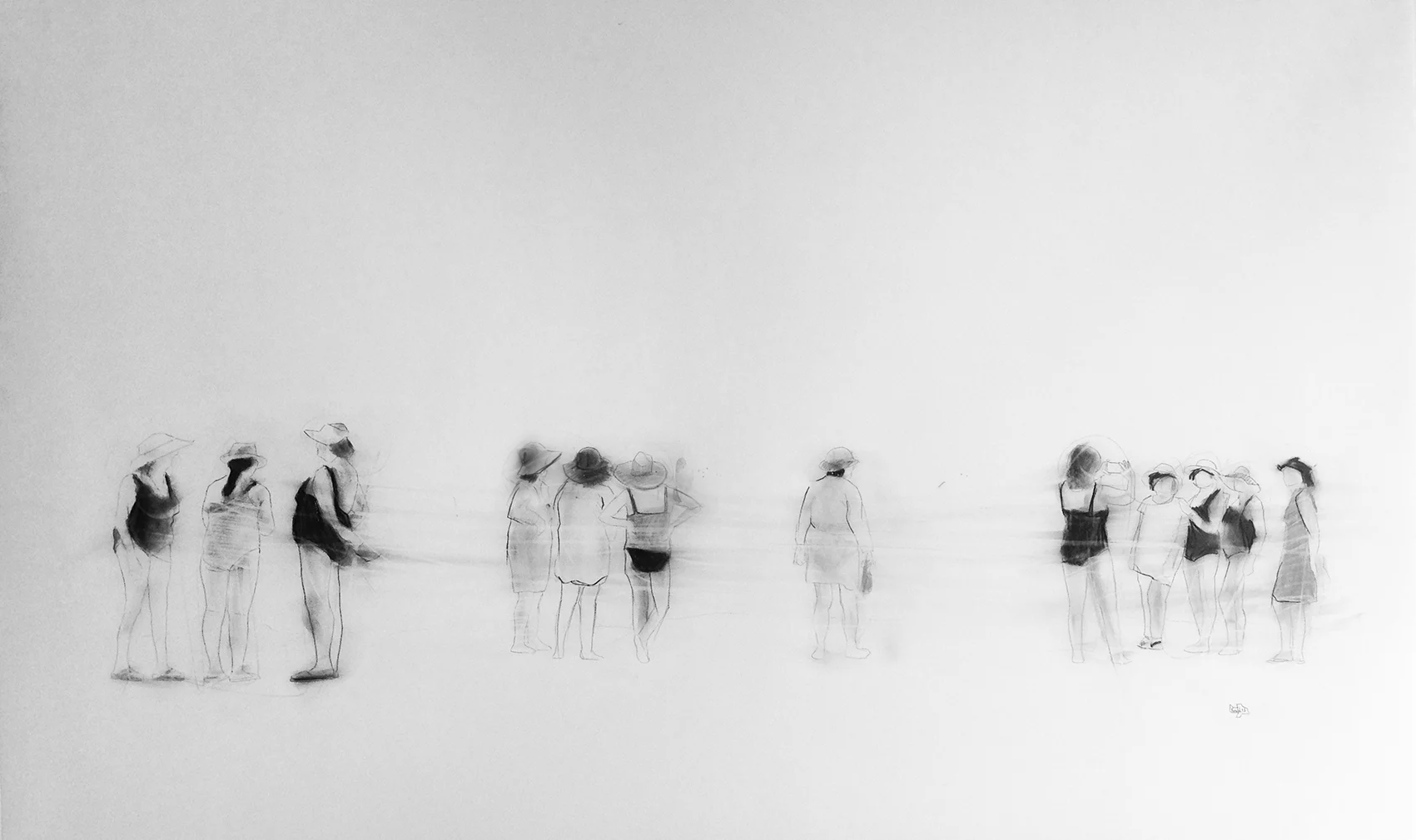
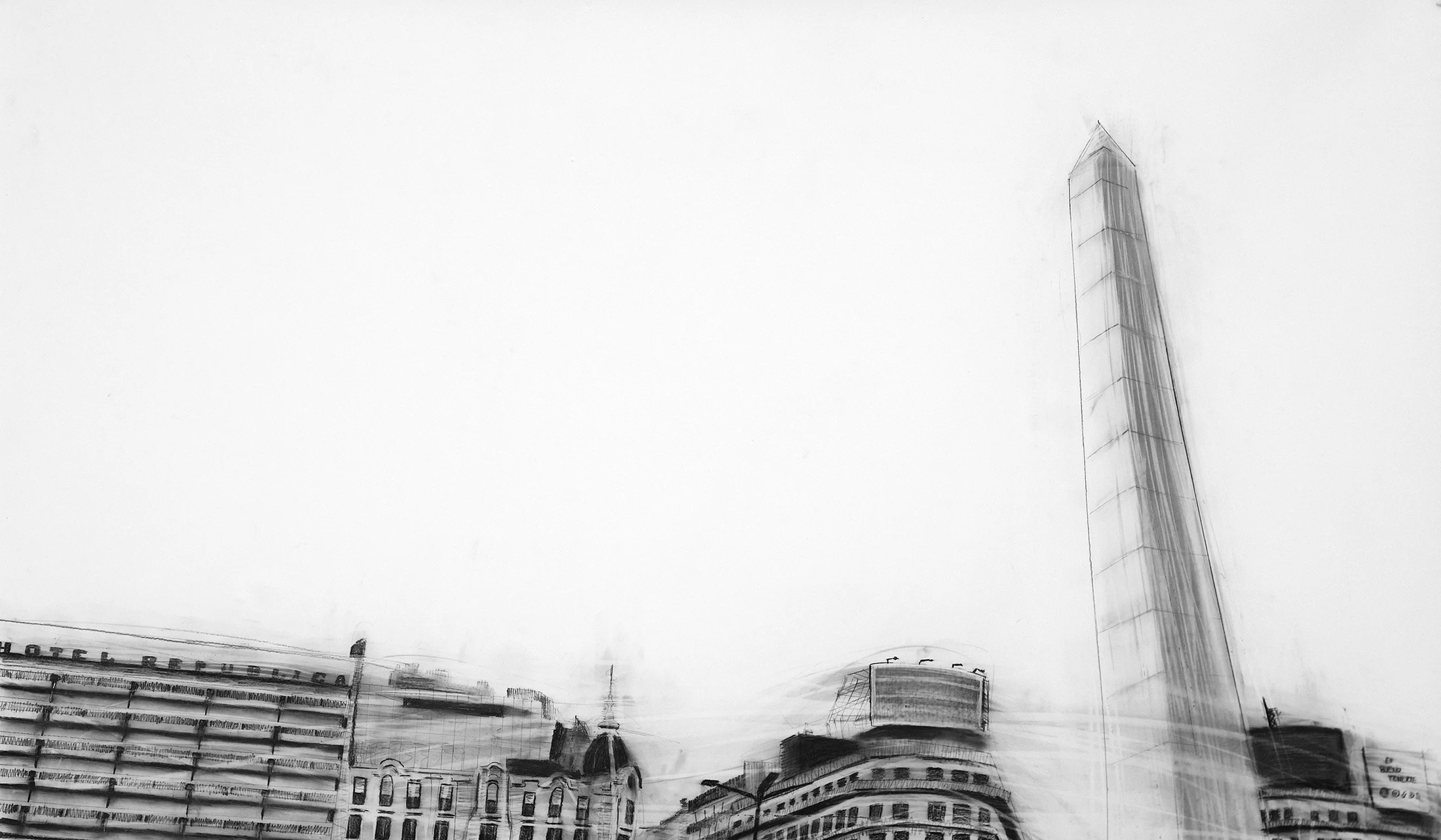
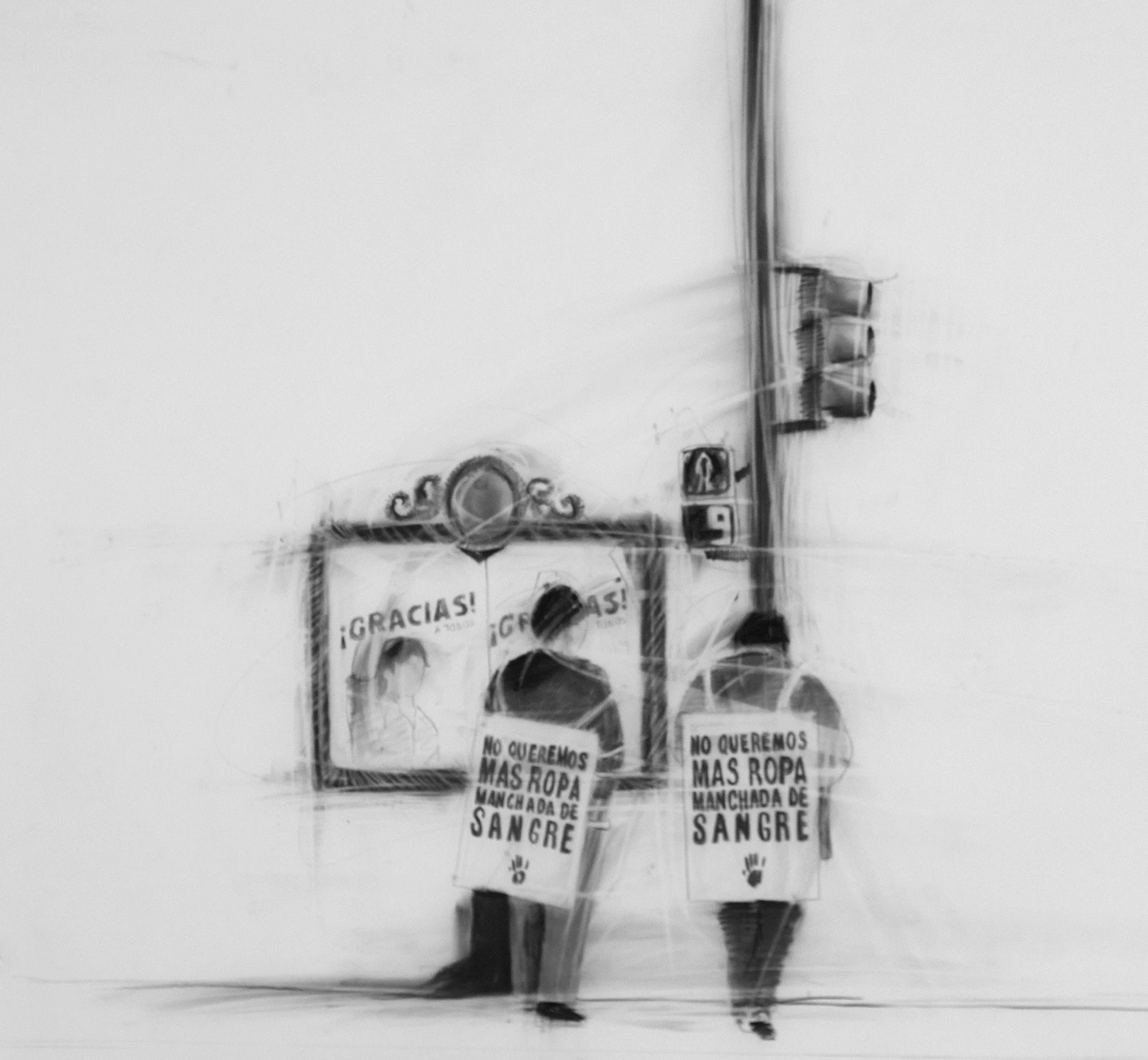
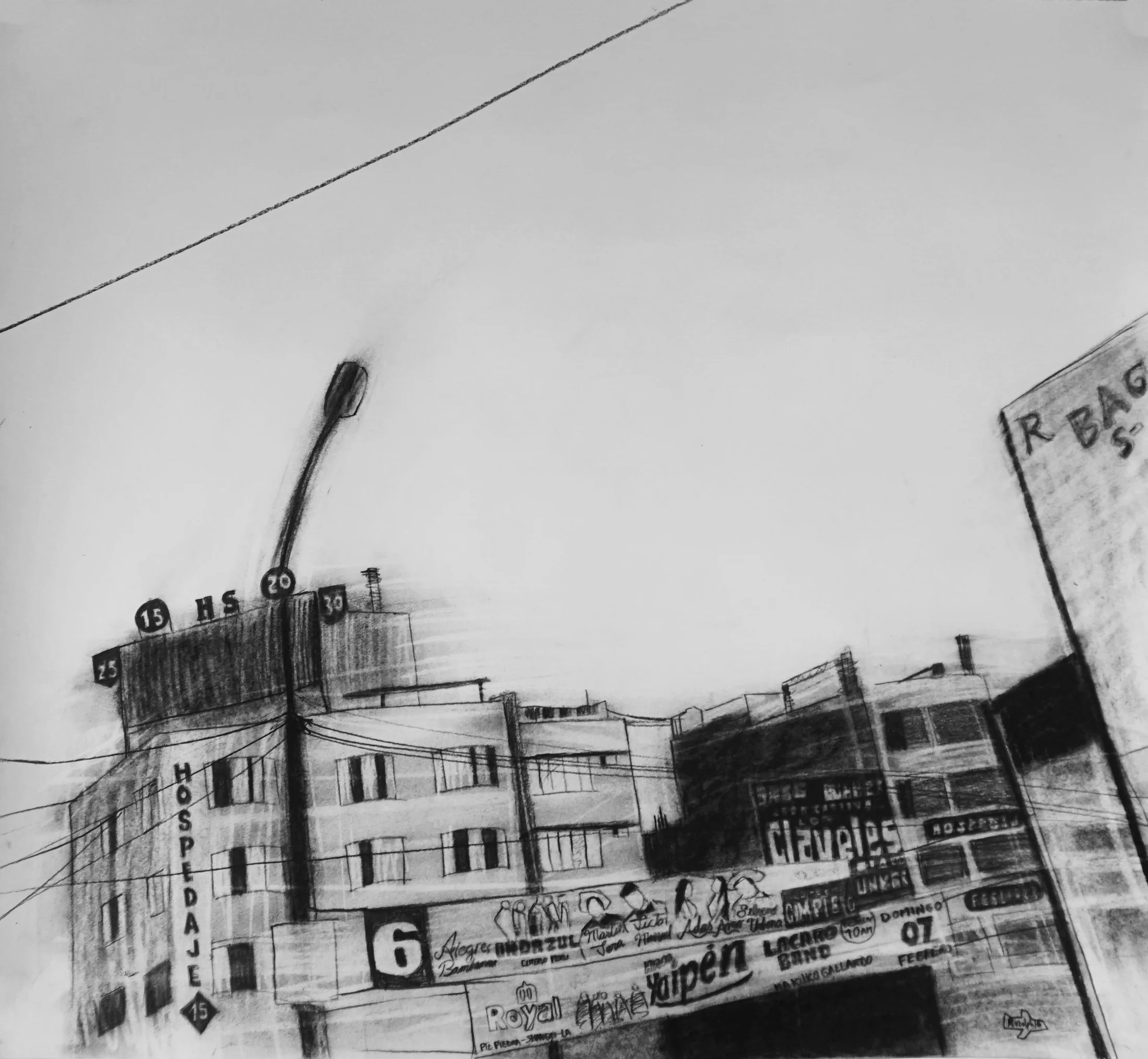
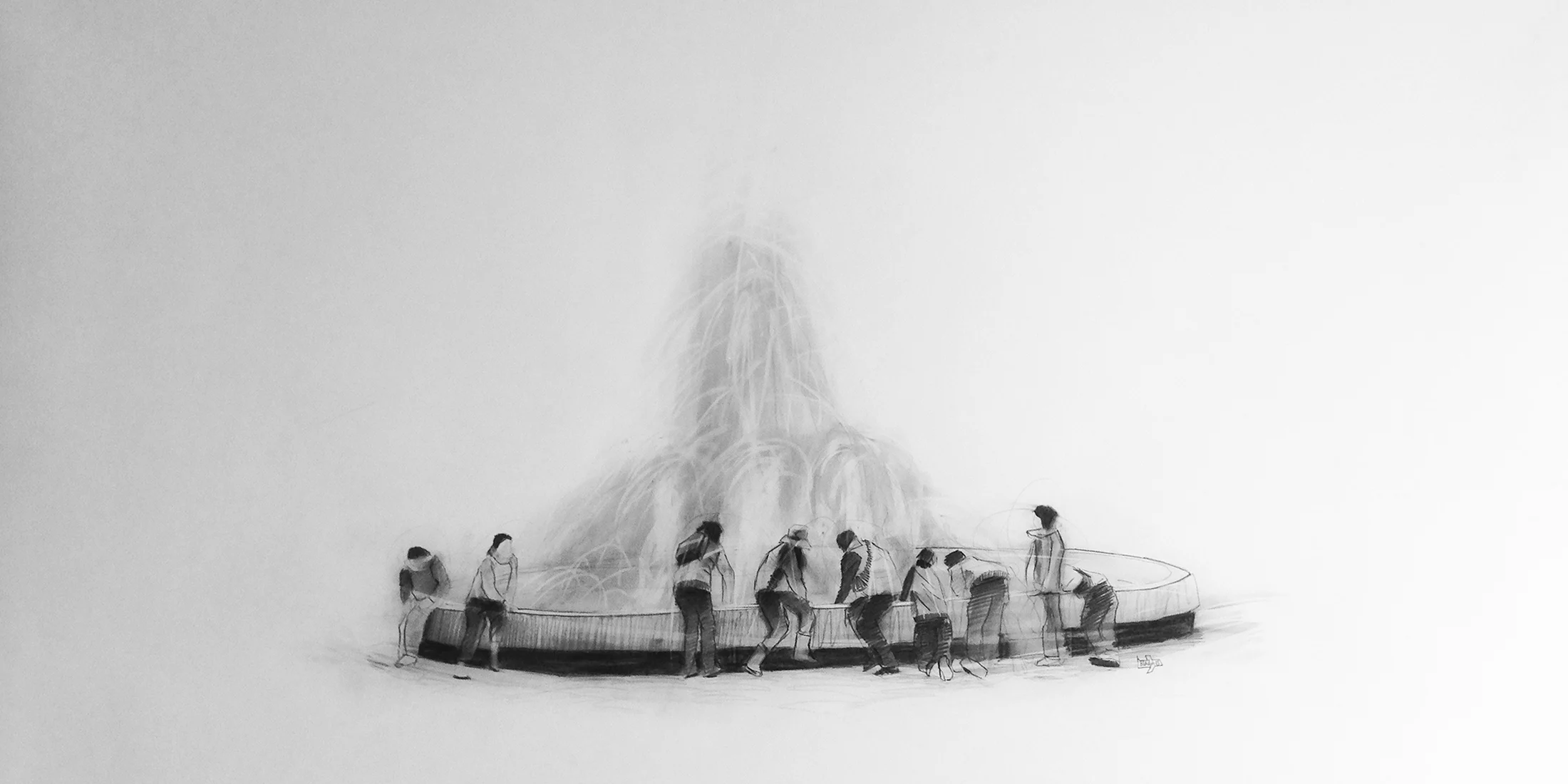
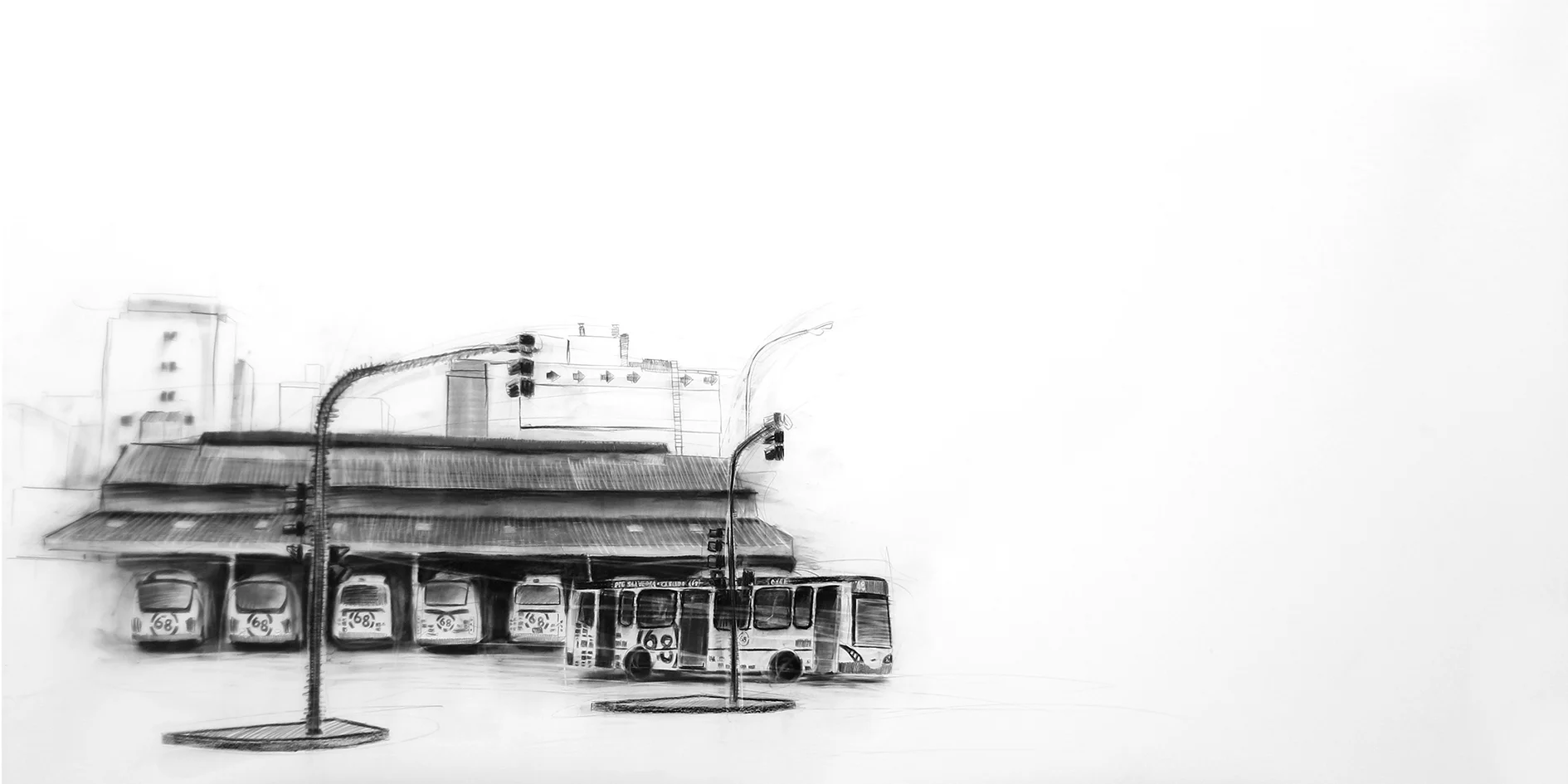
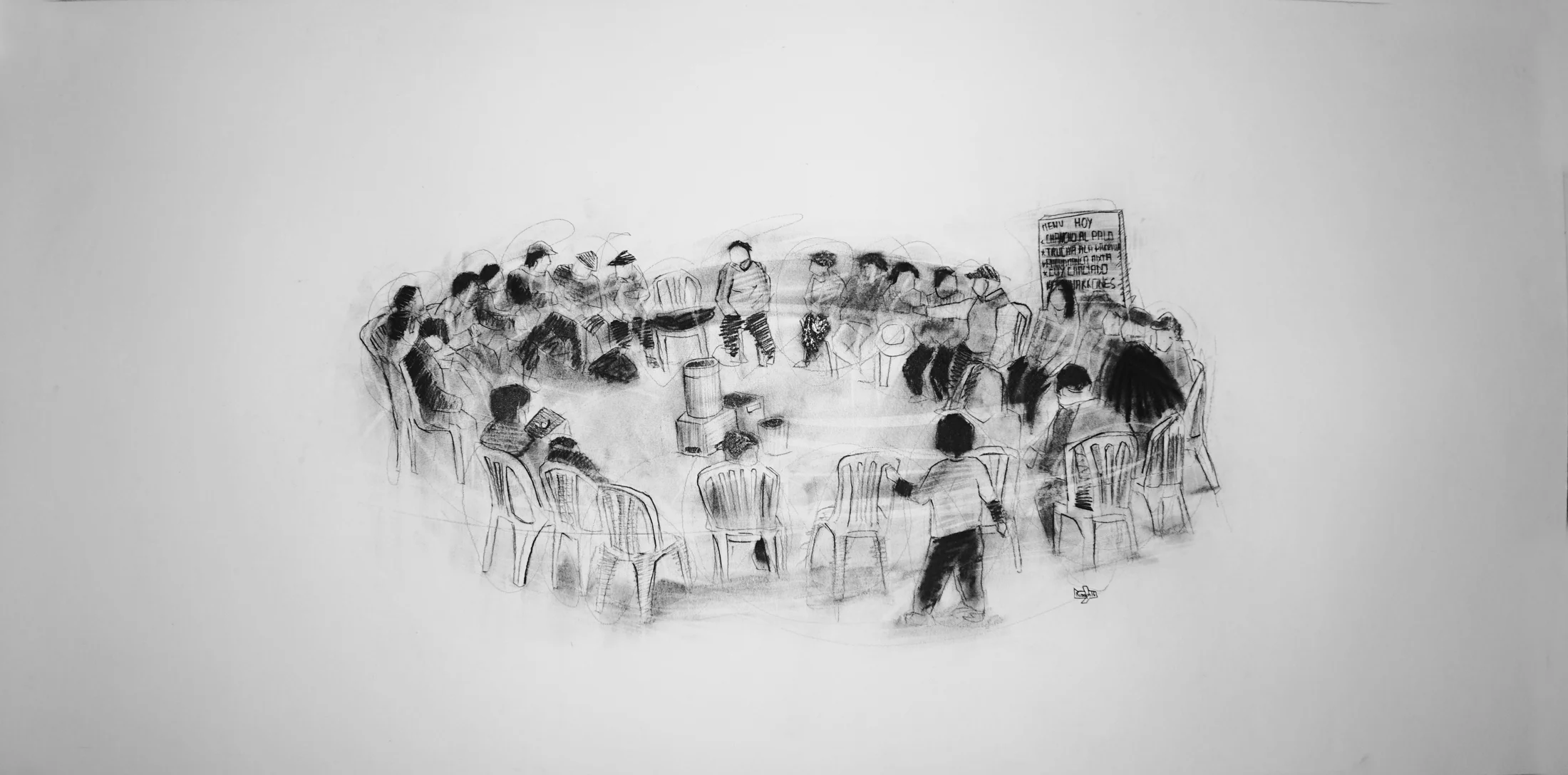
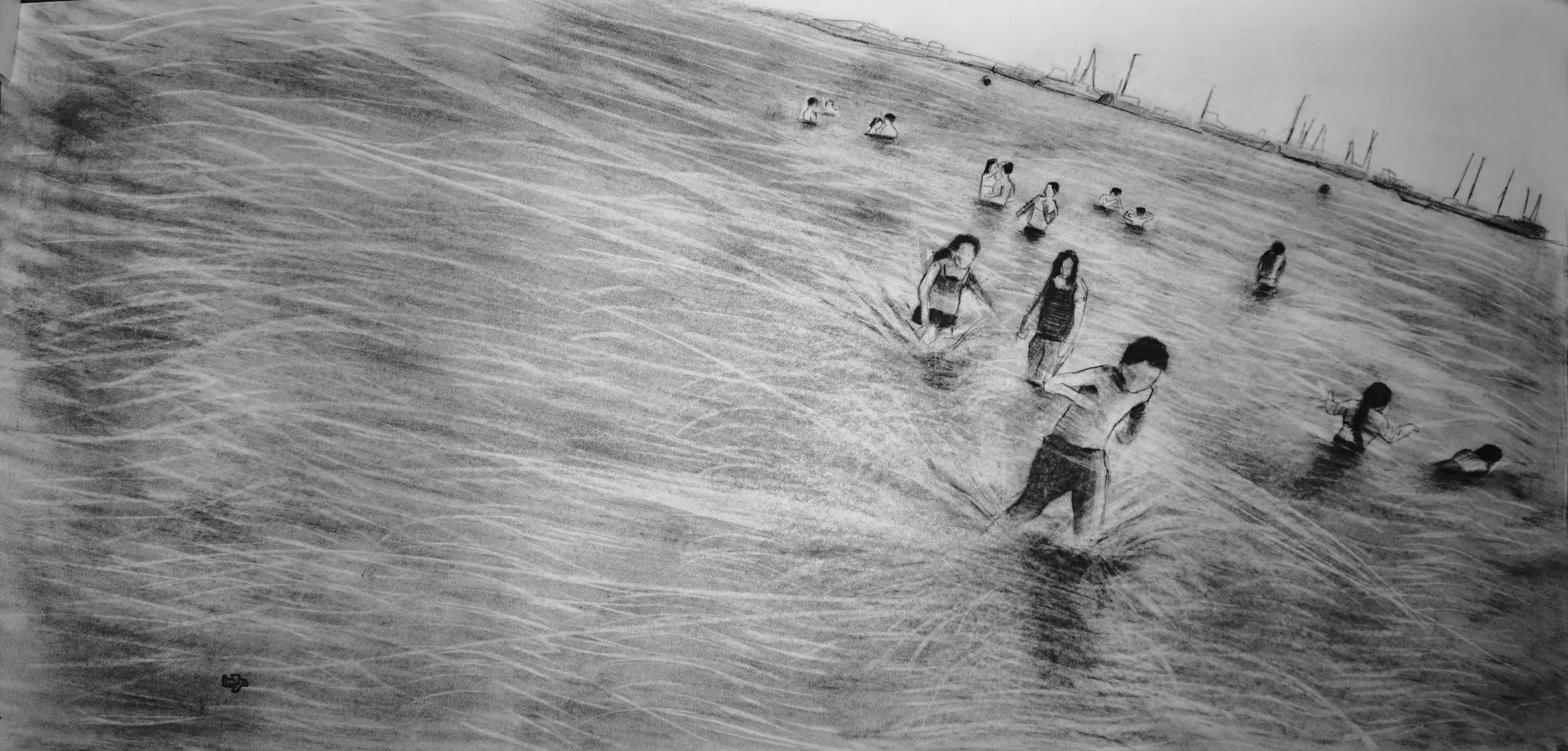
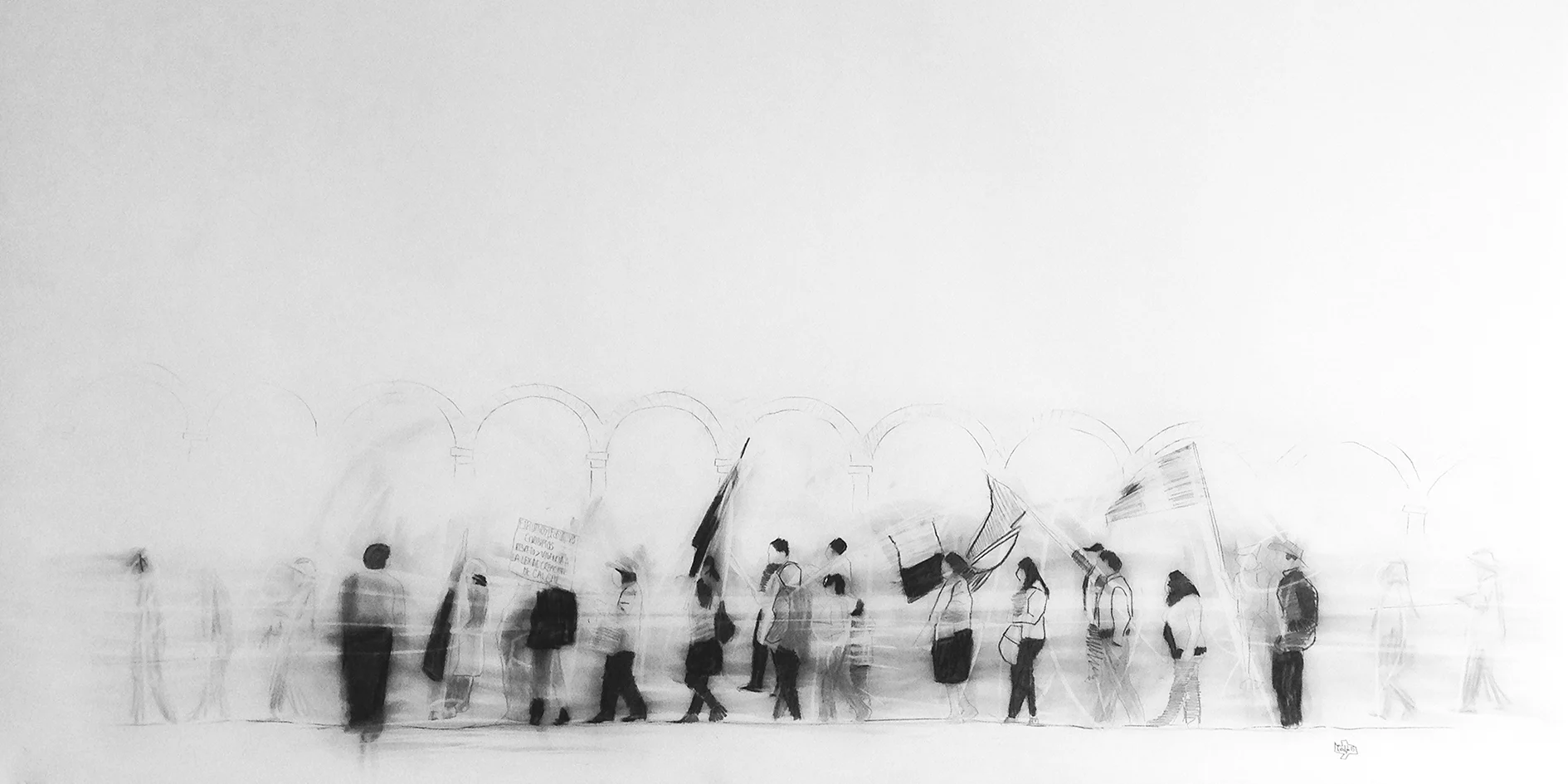
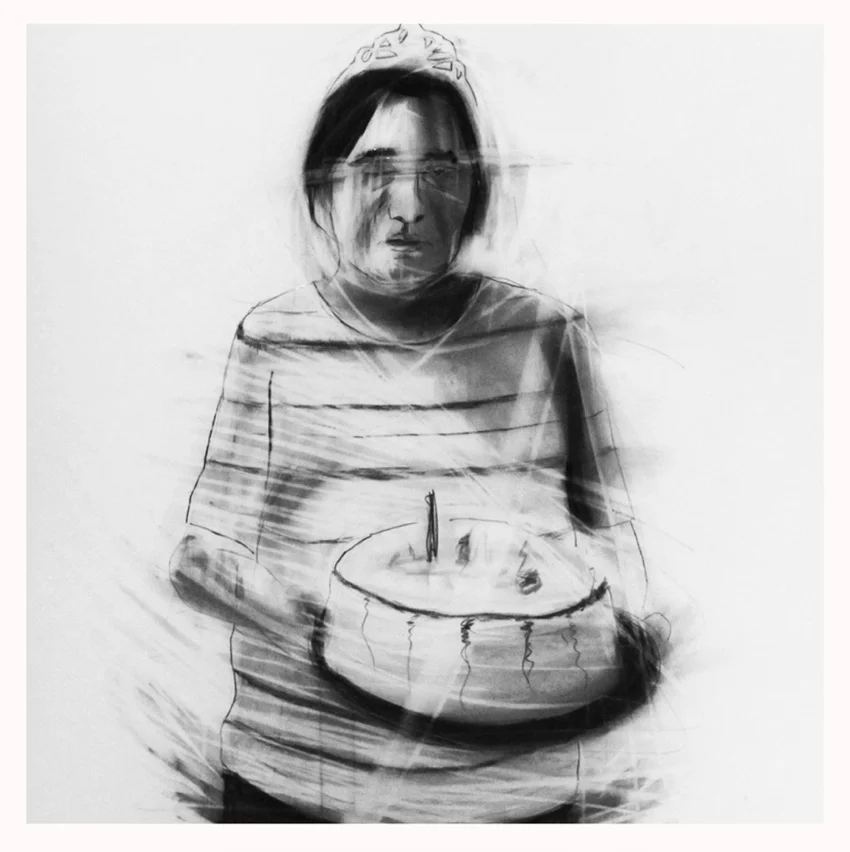
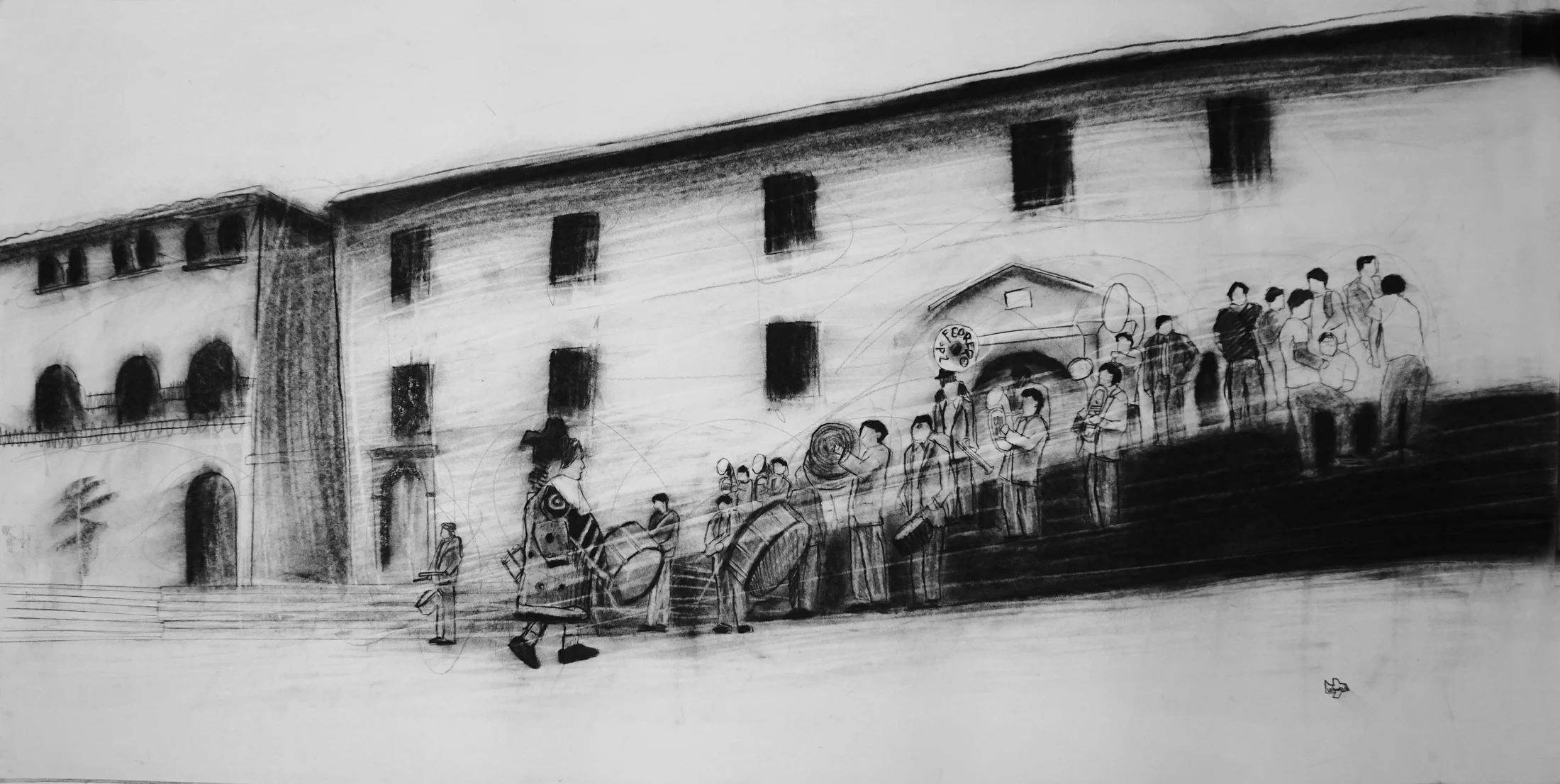
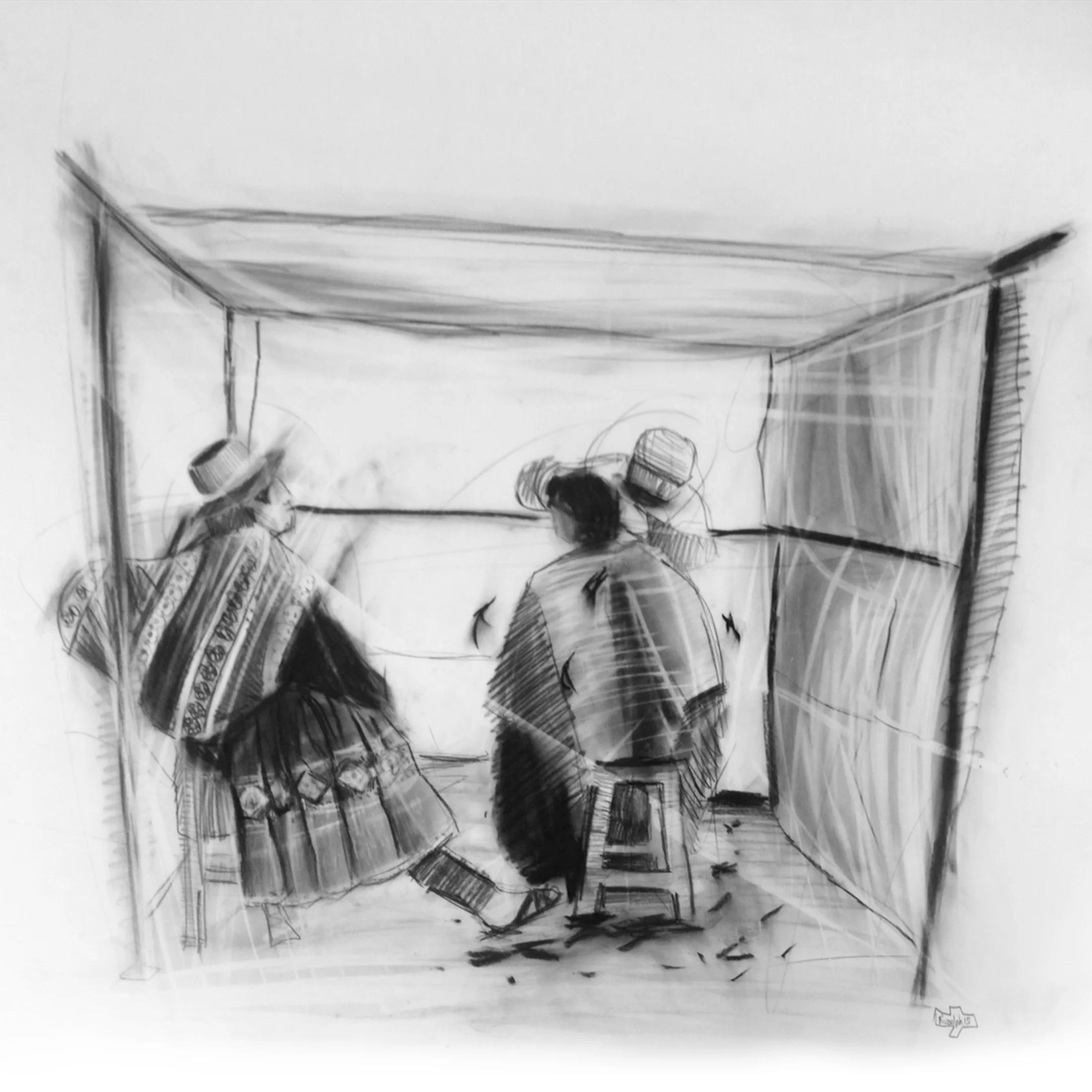
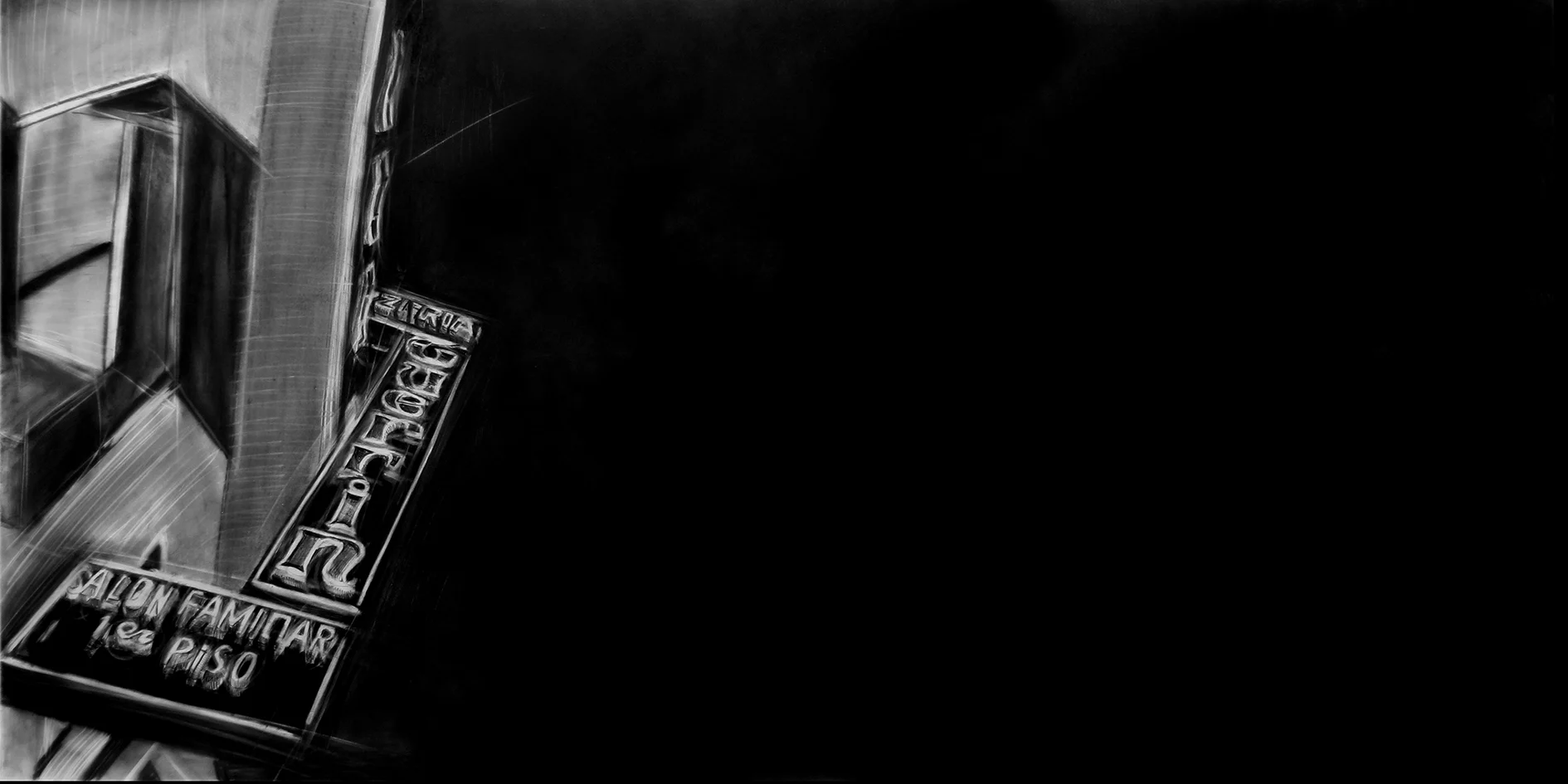
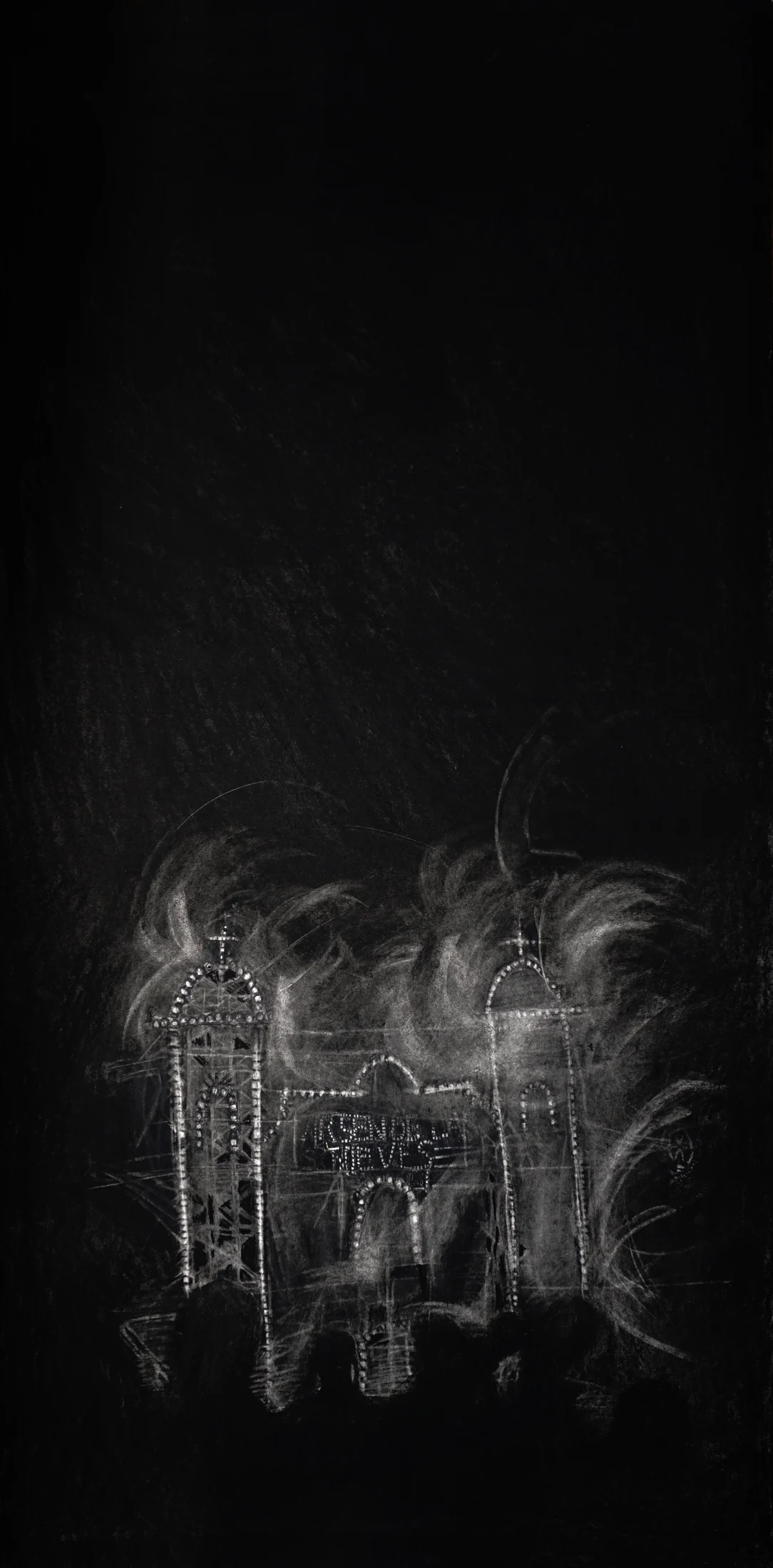
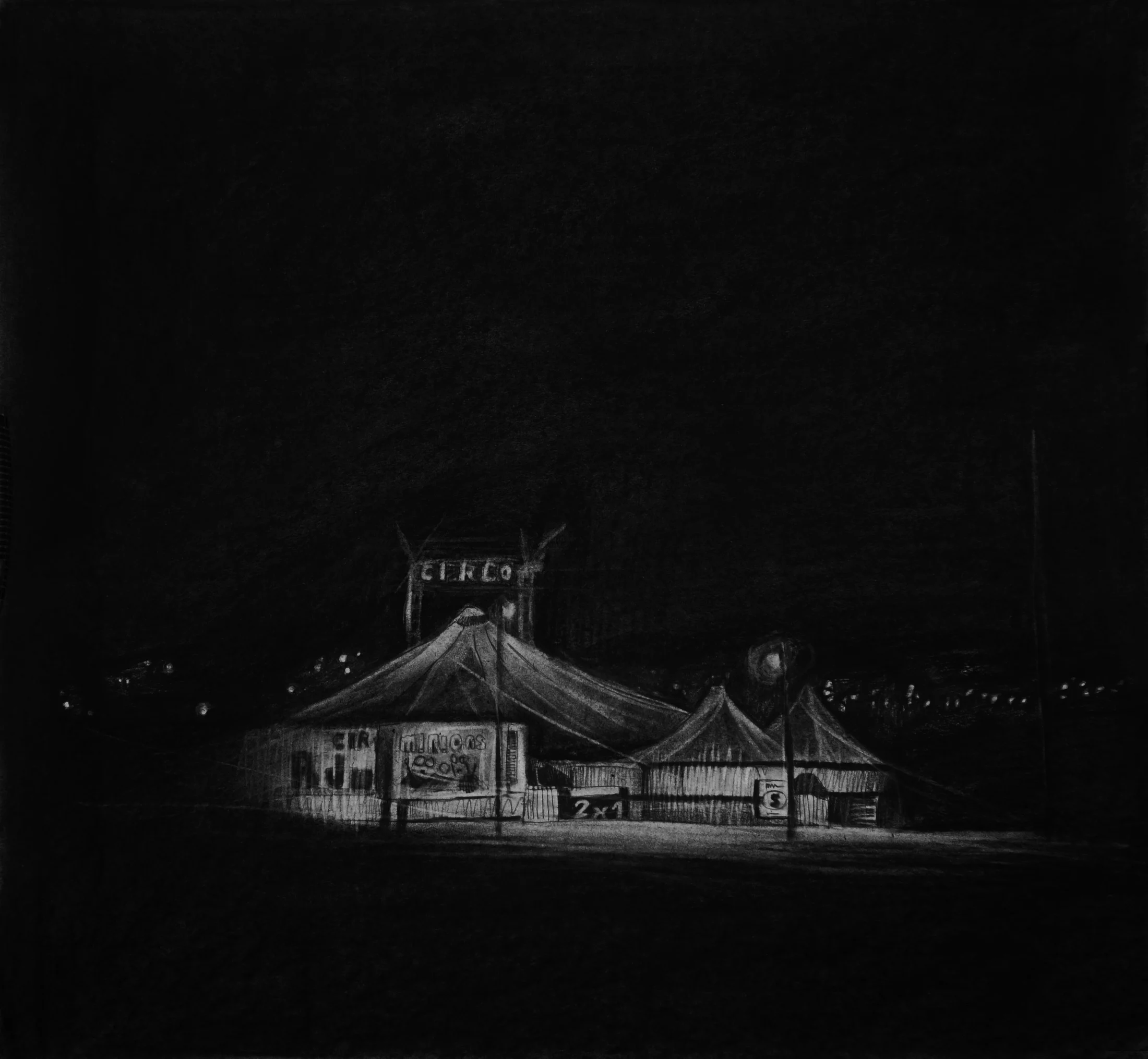
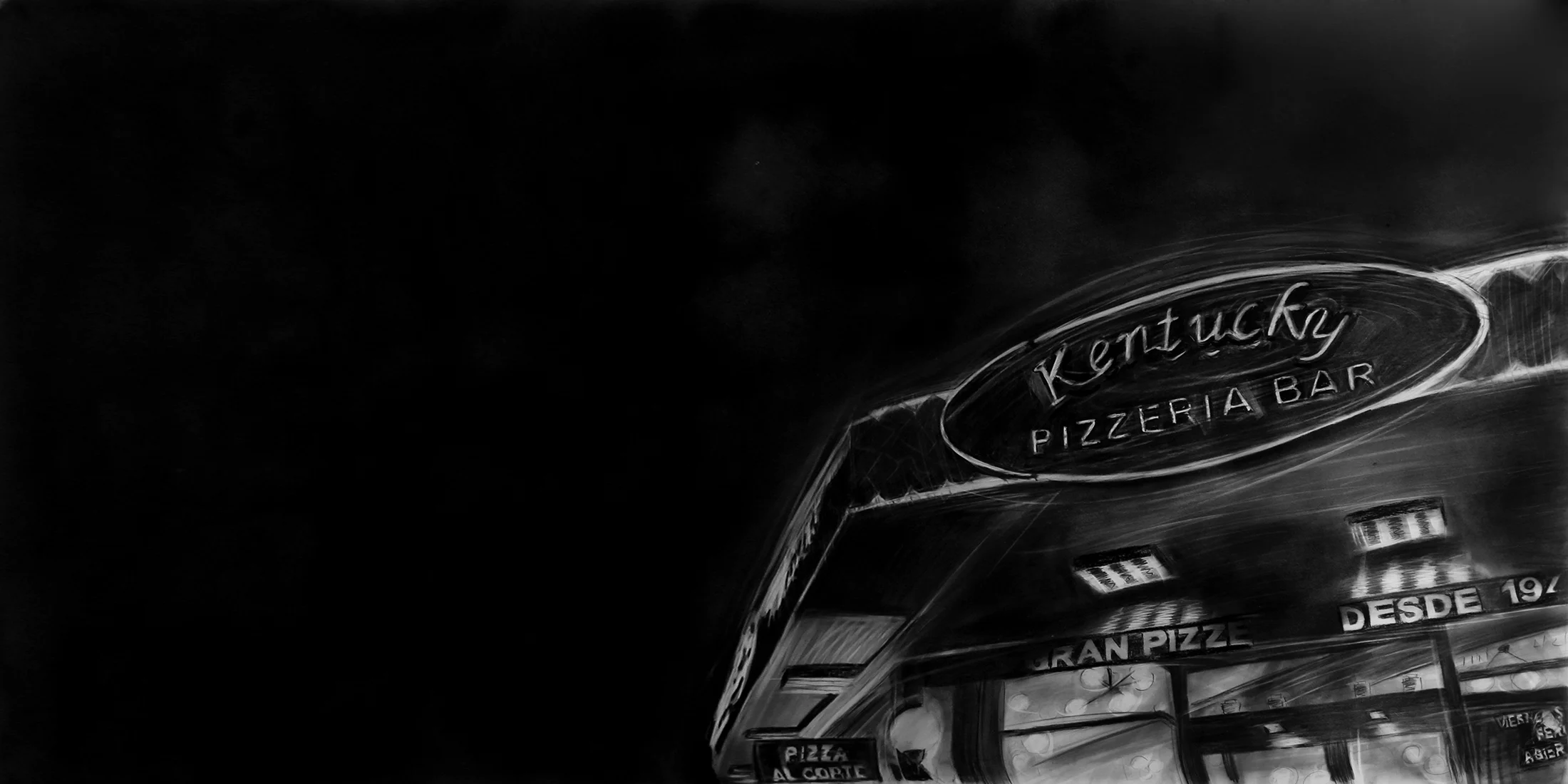
One might think that the characteristic—if not entirely distinctive, at least particular to this moment—of the Rudolph Castro now exhibiting his most recent work is extraterritoriality. This concerns not only the varied geographical locations of his subjects, but also their lack of overt signs of sociological identity, of any excessive affinity with regional traits or overly evident geographical allegiances. It is as though the nomadism implicit in his choice, by his own admission, of scenes and settings from Lima, Santiago and Buenos Aires had to do not only with his physical movements as an artist, but also with the transience, provisional nature and estrangement of his gaze: the adoption of a viewpoint partly distant, partly uncomfortable, slanted and oblique, from which to sketch the basic, concise, outward features of people, actions and situations.
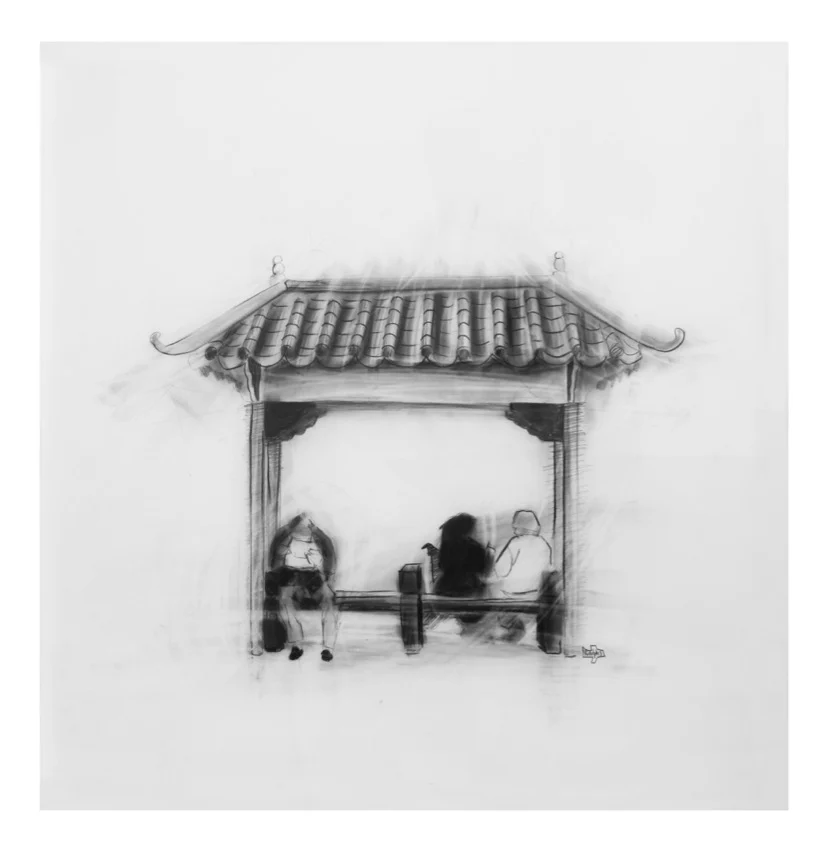
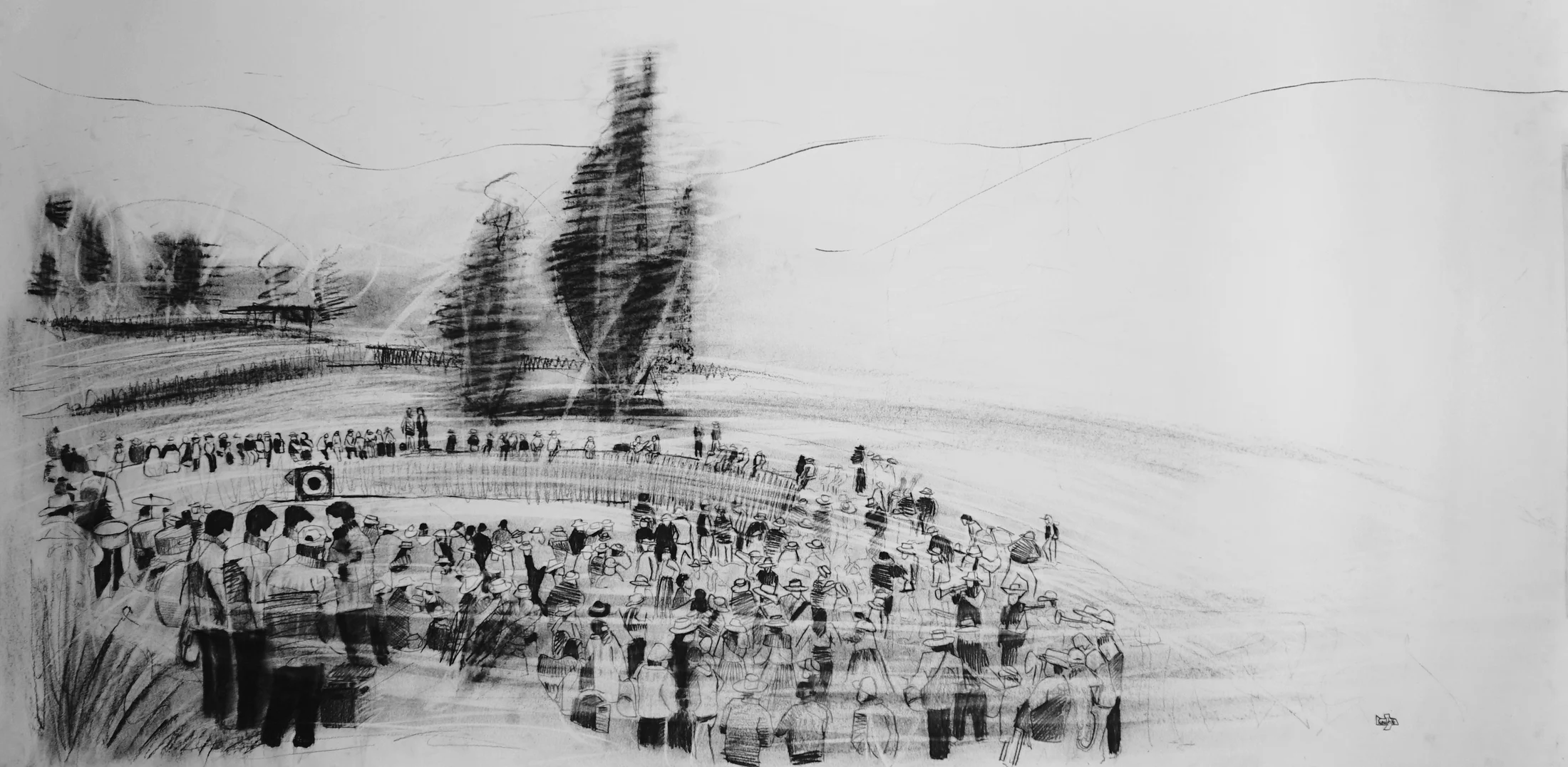
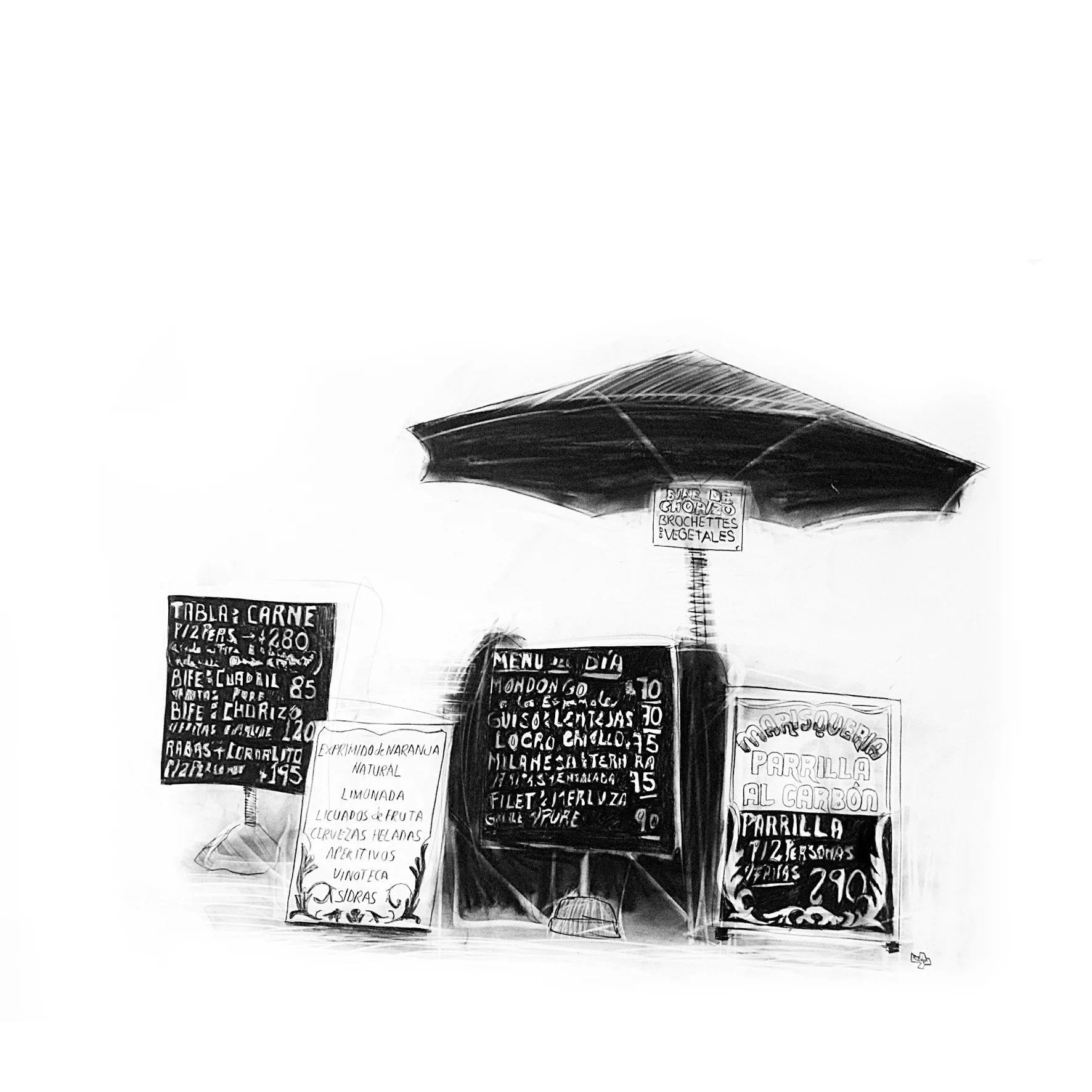
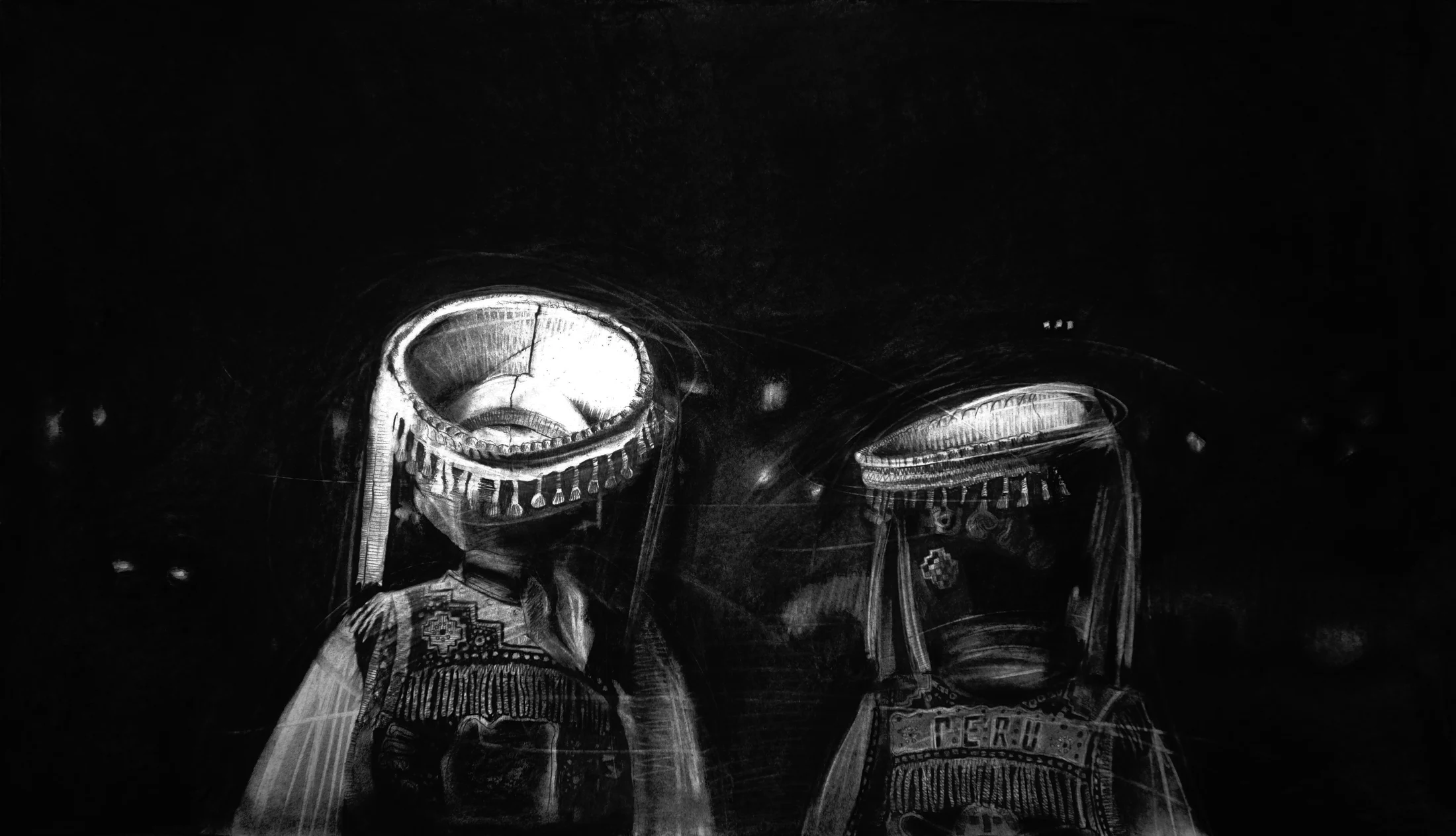
Yet this erasure of every detail of physiognomy or dress, this indeterminacy of information relevant to any clear hint of identification, together with a kind of artificial isolation Castro imposes on his architectural descriptions and figures, creates a strong impression that a shared exposure to the elements dissolves the singularity of his figures. It turns them into prototypes or, in any case, submissive actors in mechanized roles, classified by social usage and inscribed as numbers in the anonymous mathematics of the city. Thus sketchy incidents and constructions struggle to breathe in the charged white of the paper, like the harsh light of an anthropological laboratory: a nothingness that has blotted out every contextual reference to impose the evidence of a destiny of unanimity without singularity or history. It is as if the protagonist, the inhabitant of particular places, were scarcely an imitation of a Pompeian cast, a whimsical ghost of prosaic mannerism situated almost incorporeally in the world.
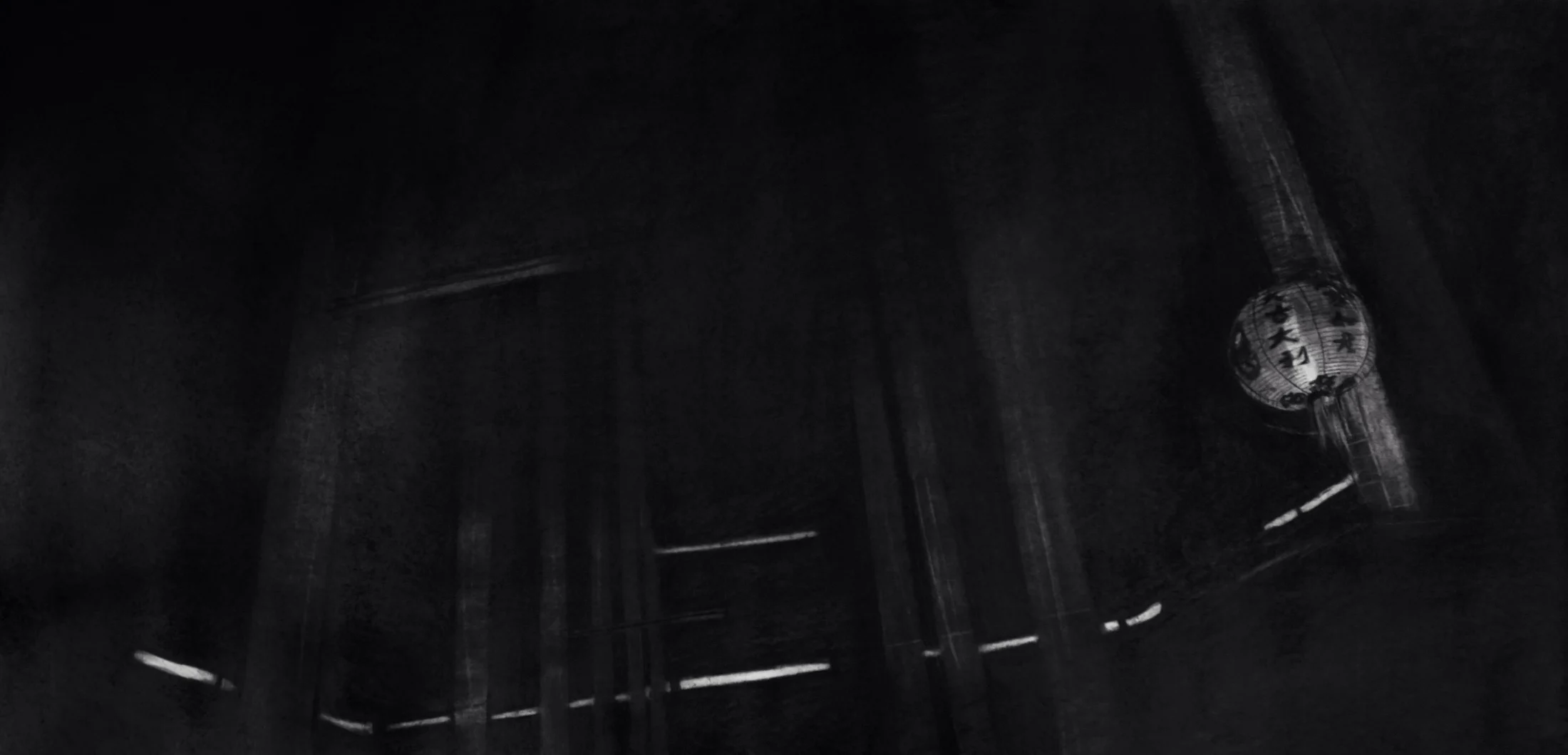
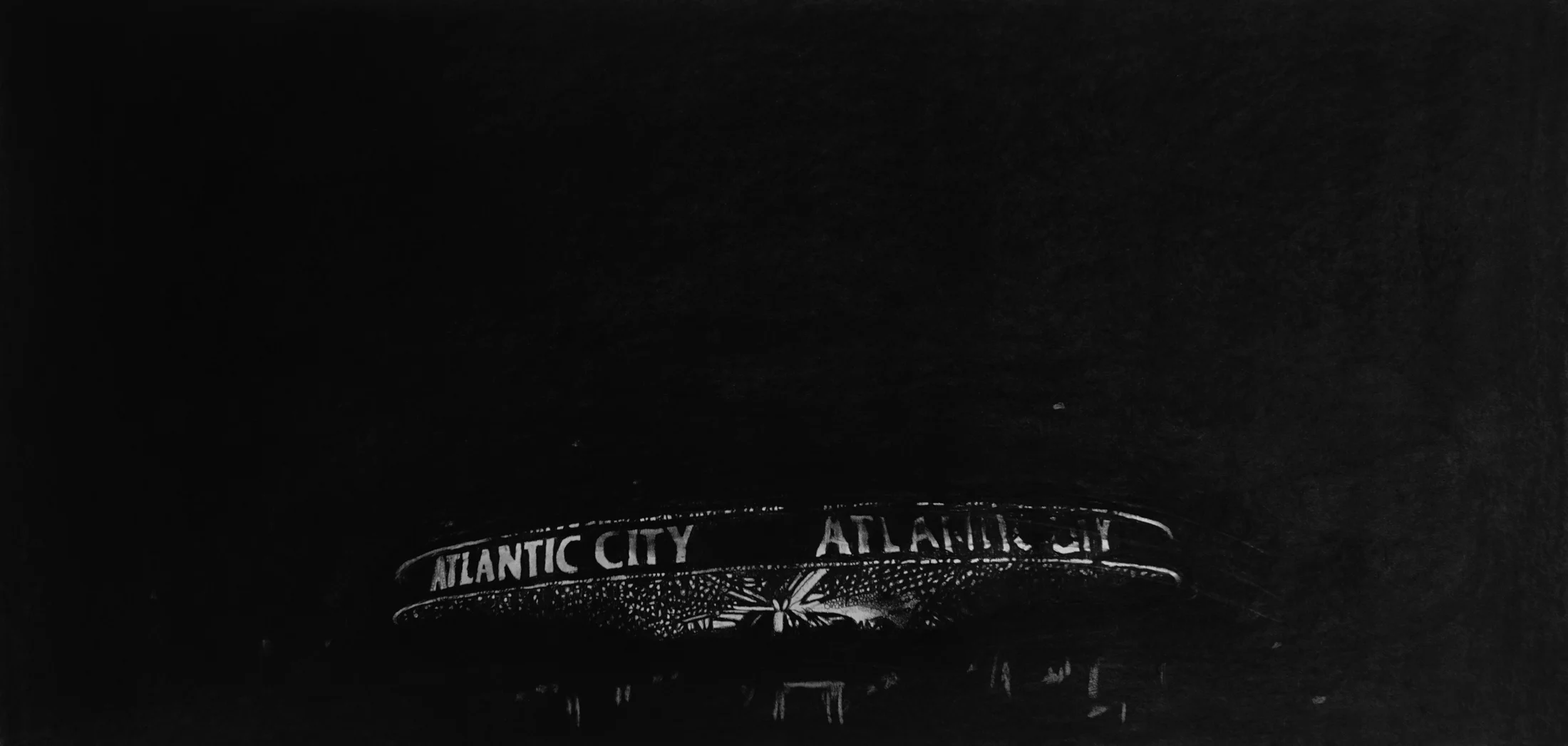
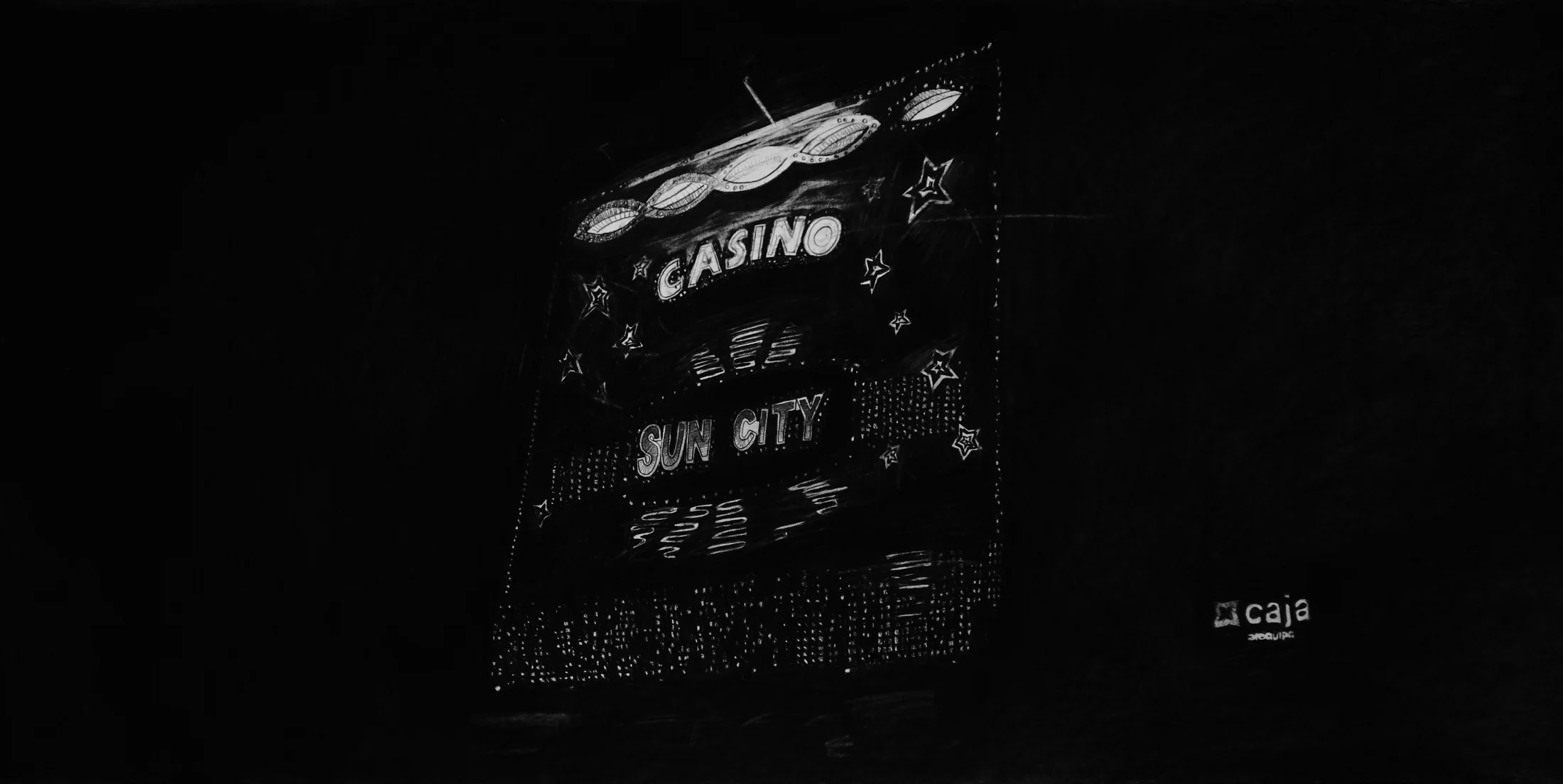
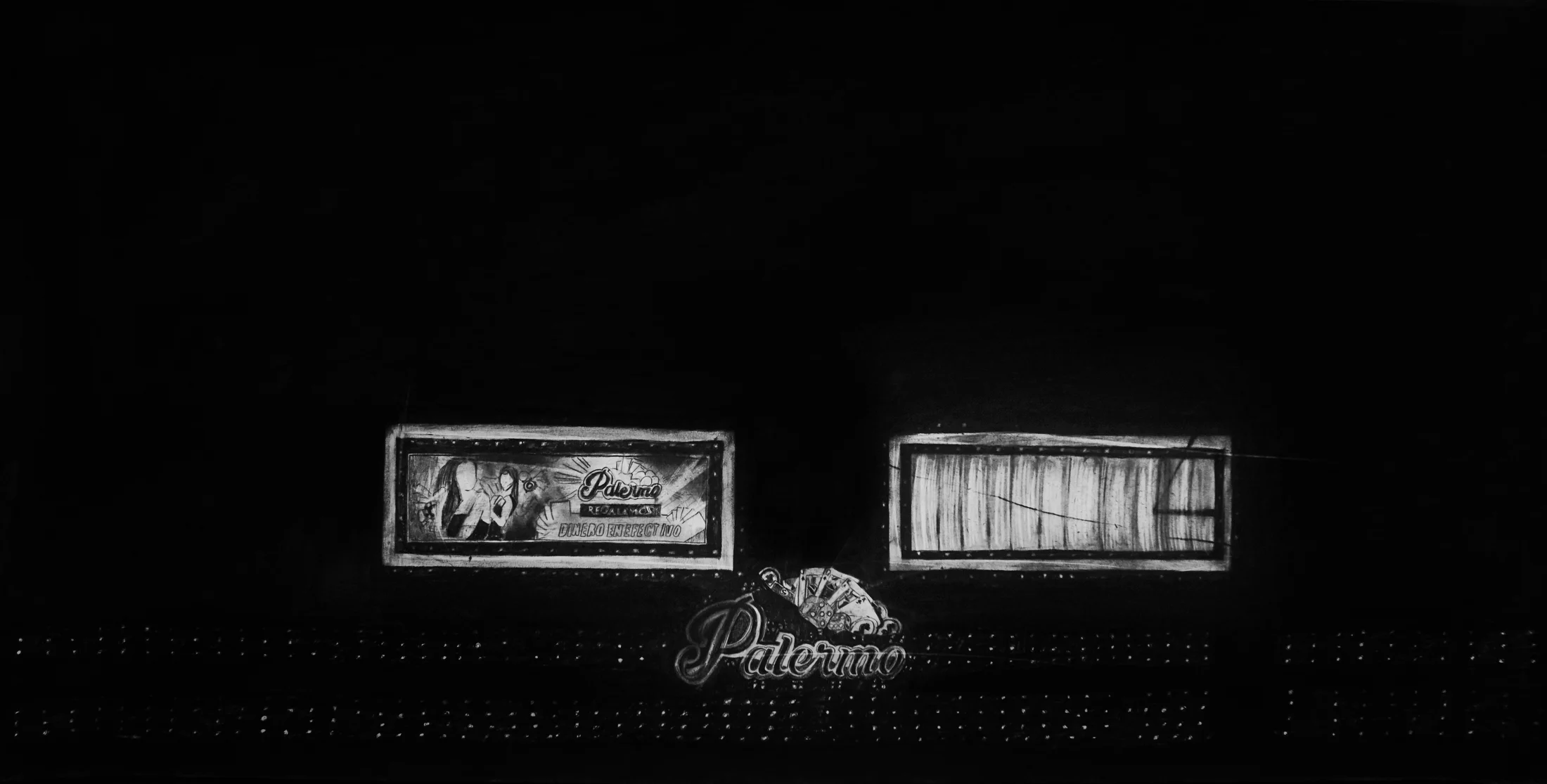
There is also the equivalent, abyssal darkness of stony, impenetrable skies that fall like fatal curtains behind the precise angular perspective the artist uses to dissolve any potential picturesqueness of an urban corner, through an arbitrary architectural crop, an off-centre frame and a low-angle view. With sensitive, powerful, dynamic and structurally very solid drawing, Castro appears to distance himself both from documentary precision and from self-sufficient expressiveness, concentrating instead on a kind of universal dramatic neutrality. Even those locations, attitudes and individuals that appear formally so different turn out to be essentially identical. It is as if the overtly political hypotheses and manifestations that coloured his immediately preceding work had reached a terminal exhaustion in their committed explicitness, giving way now to a detached litany, a tempered distancing that seeks an encompassing key where others see only an incidental locality.
Buenos Aires, August 2015 · English translation Original text ↗
Project details
- Medium
- Drawing series
- Field
- Art
- Presentation
- Galería Enlace, Lima, 2015
- Text
- Eduardo Stupia