…Attention!
2011
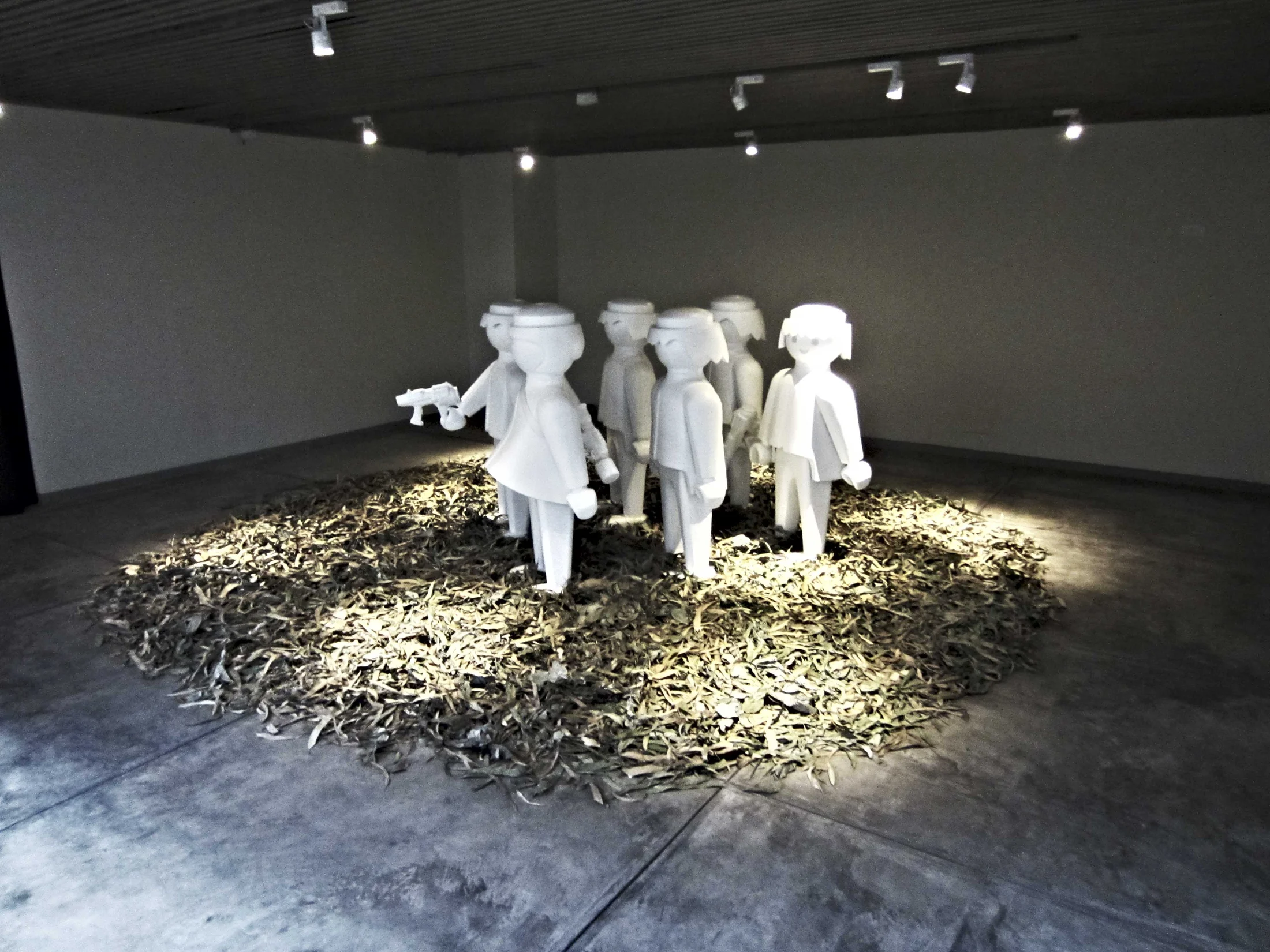
The installation
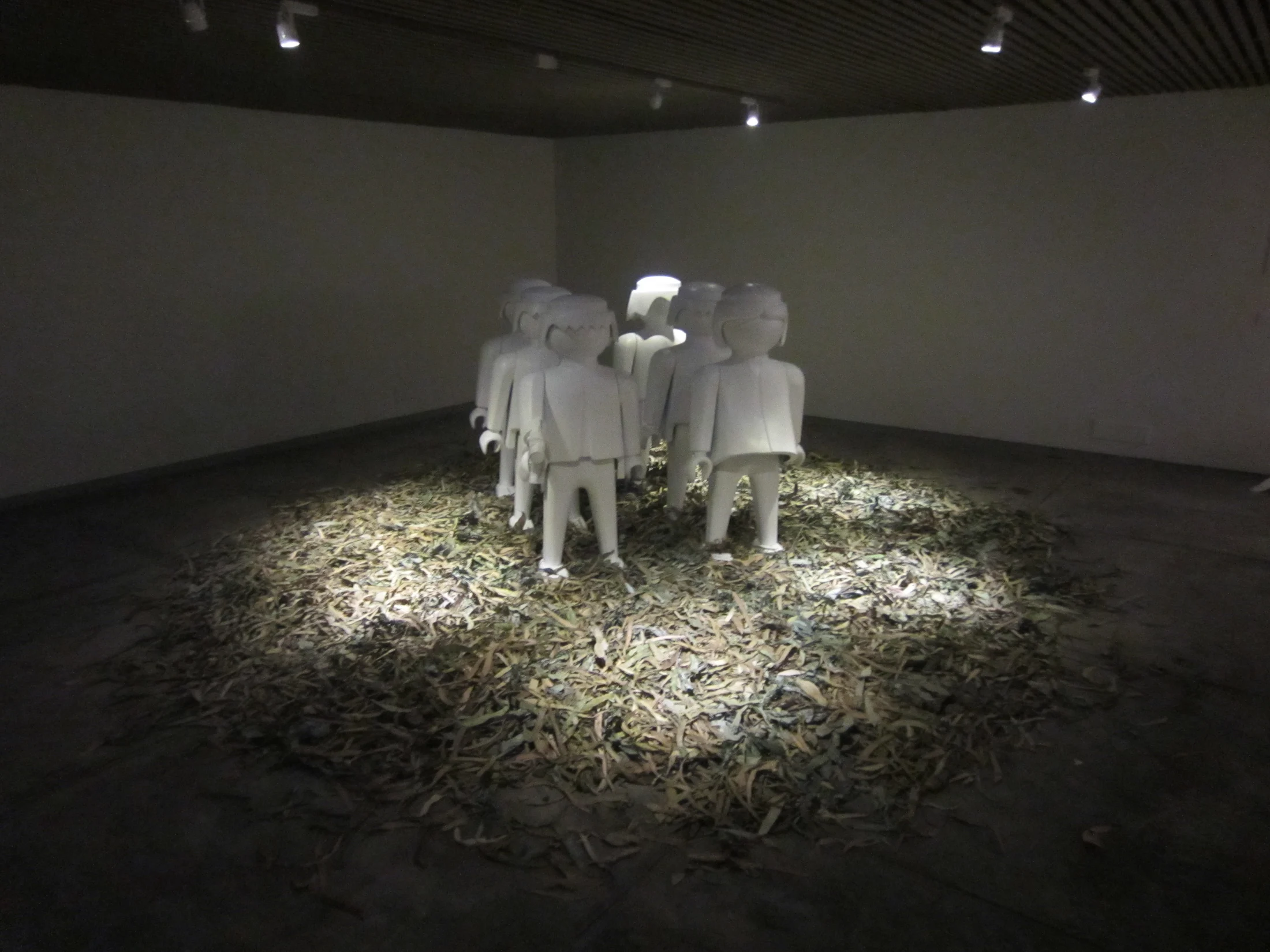
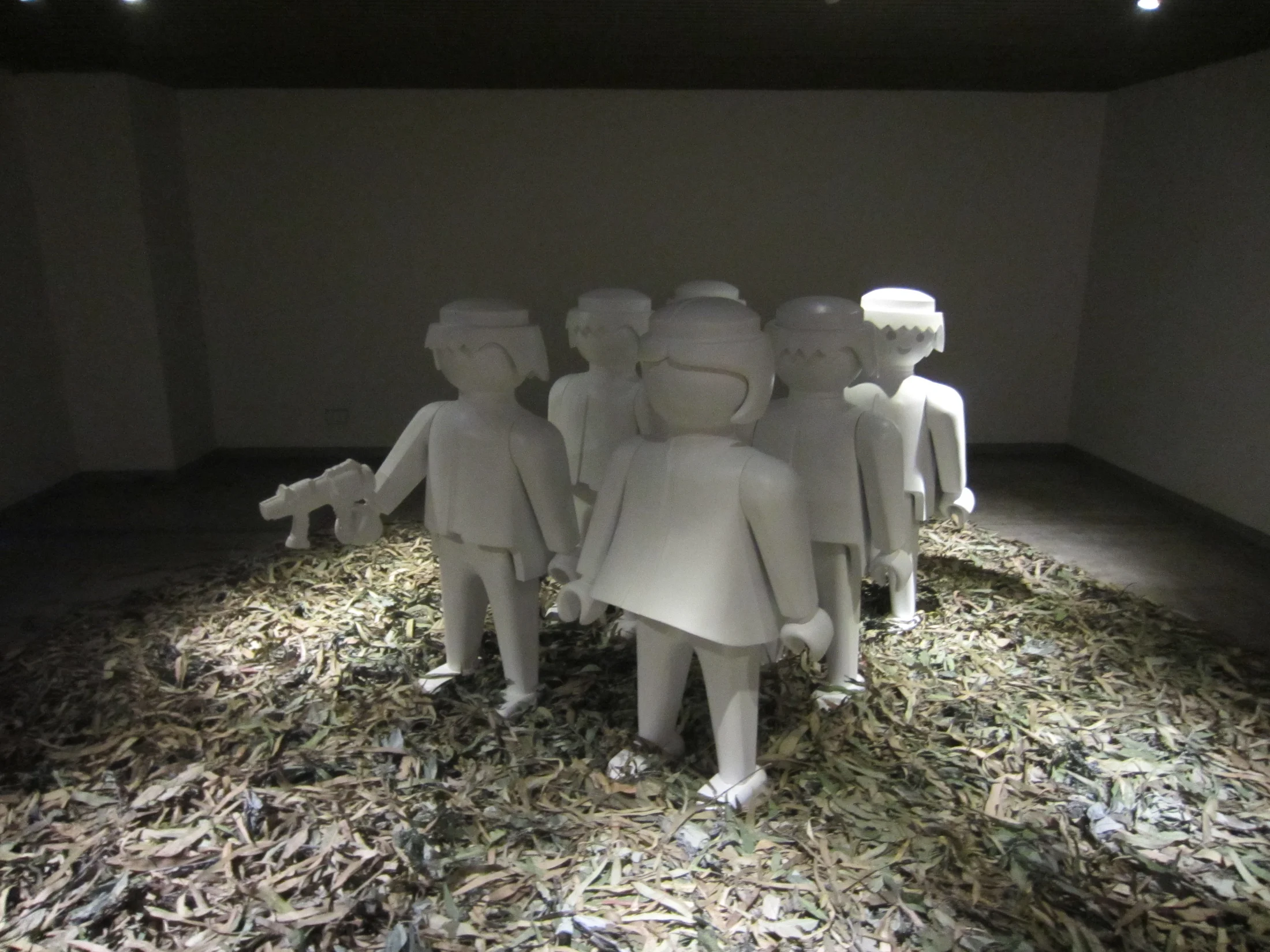
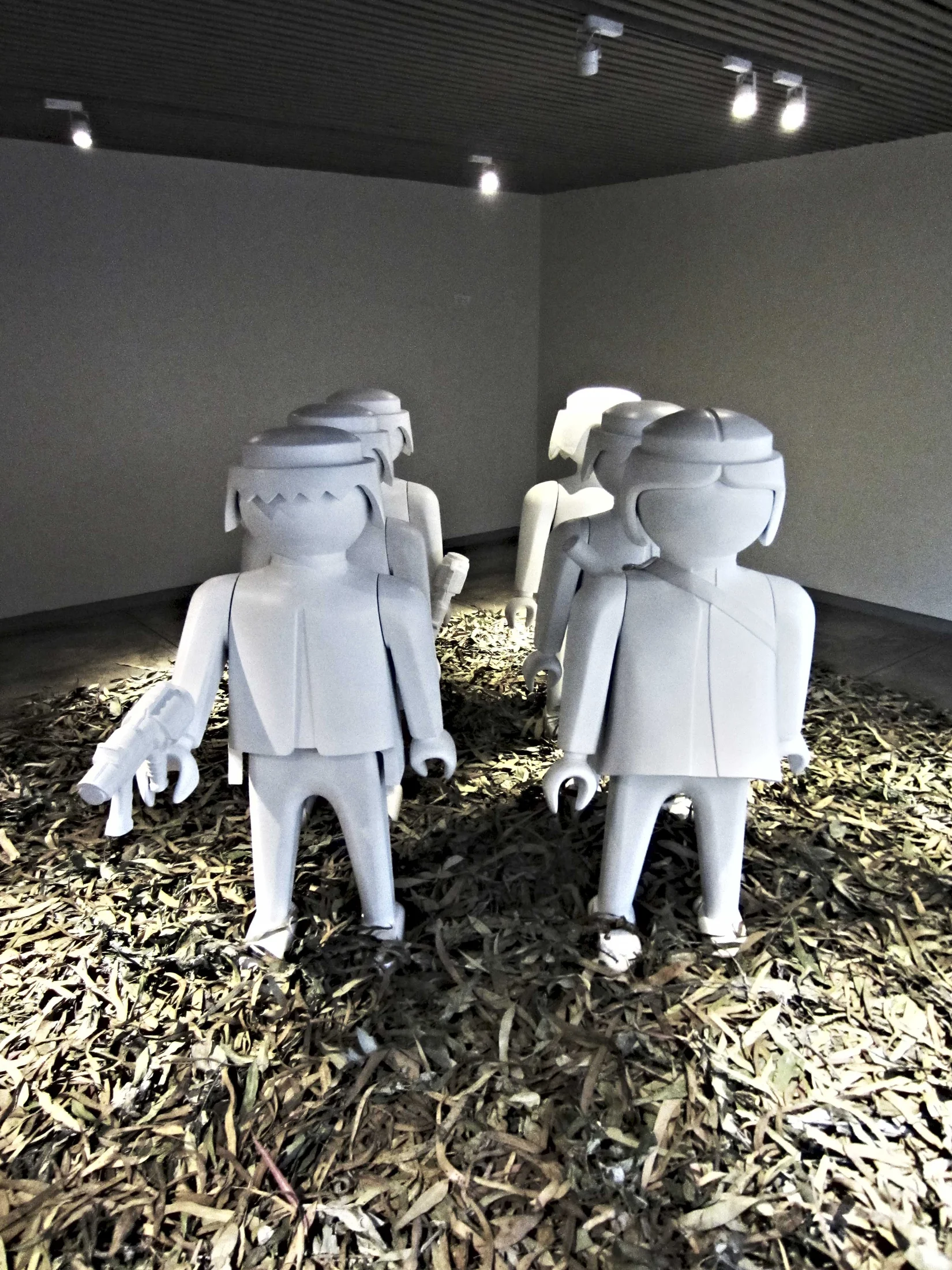
The childhood is a strange country. It’s not a country that you stop living there by your own decision: you are always expelled from there, finally. But everything at the right time.
Rudolph Castro has chosen to return to his country and travel. Or maybe the country has chosen him and allowed him to return, by terms. Sometimes he also focus on rummaging his memories clearly to glimpse how it is when you are a child and think it’s eternal.
Childhood does not know about death but suspects all about it. On the contrary, it’s exposed to life and its avatars, and usually knows very well about the shout, the fear, the blow and the crying. But its continuous entering and leaving from the game and fantasy level is so disturbing for it that ignores and leaves behind punishments and threats and throws and jumps amused to the dizziness, frenzy and paroxysm.
Rudolph Castro treats childhood seriously and approaches it as if it was a natural state of things that one day it breaks and goes away, naturally, and leaves traces, when no wounds. He does not know yet if he still has any scratches or tears, but he knows he has a space of bruised experience.
A story that he did not know because he did not hear from anyone, even though, he knows from heards because he is capable to remember that something he sensed was introduced impecable to decide how and what he played. Therefore, he reviews a personal story to define an imaginary shared by its generation and performs a survey of successive icons fields that are the different kind of toys he consumed as a child.
Adults, meanwhile they consumed images of death, breathed frightened and lost sleep in another country. One that was at war.
April 2012 · Published English text Original text ↗
“I saw her and I went to Lima immediately, but they never let me talk to her. When the rescue occurred and reported that the terrorists had died, I went to claim her body, but they never gave me the body. I showed them photos, documents to prove she was my daughter, but they did not give me her body”, reported Eligia Rodriguez.
Rodriguez said that her daughter was kidnapped by “Los Negros” in early 1996 when she was washing her clothes on the riverside of the Perene river. According to the audio recordings registered dayly with the microphones that were introduced in the Japanese residence by the agents of the National Direction against Terrorism (Dincote), Luz Villoslada cried every night and told Cerpa Cartolini that she wanted to see her mother and siblings. An anti-terrorist agent, who was a part of the Crisis Comittee Team that the police established to face this delicated situation, told El Comercio that “the Gringa” told an ex hostage that she wanted to betray Cerpa Cartolini and scape along with the 72 hostages. The hostage encouraged her to leave together, but the young girl nervously said “I can not do it”. If I did something like this my whole family would be killed by the MRTA
("La Gringa” was 17 years old)
March 30th, 2001 · Published English text Original text ↗
Project details
- Medium
- Sculptural and sound installation
- Field
- Art
- Materials
- Six resin figures, dry leaves and digital audio
- Presentation
- Sala 58, Lima, 2012