TDQ · Curfew
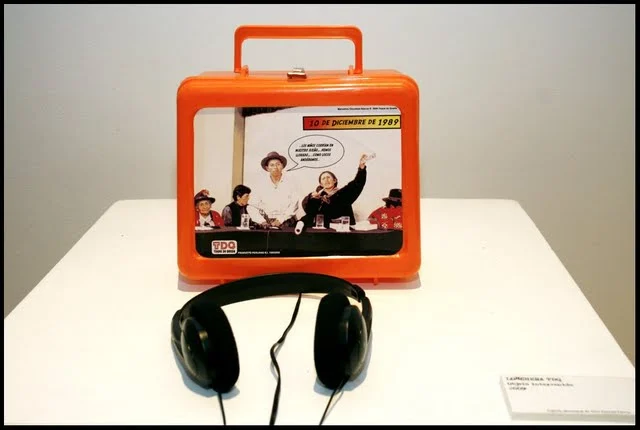
Lunchboxes and listening
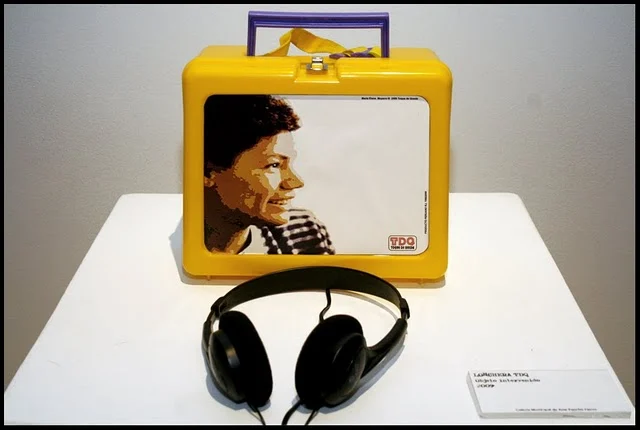
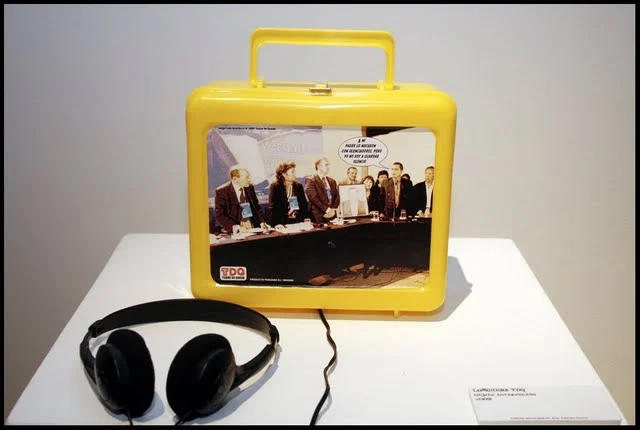
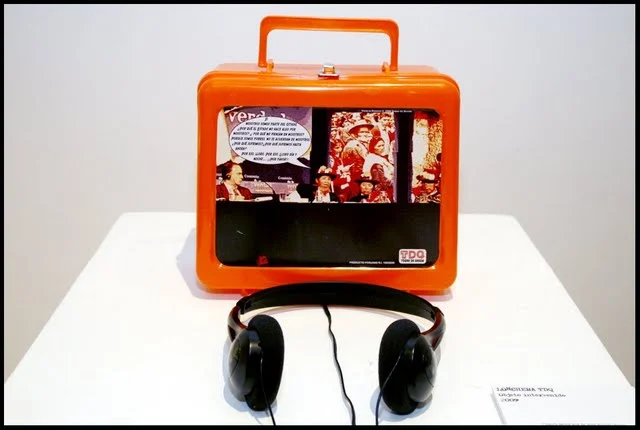
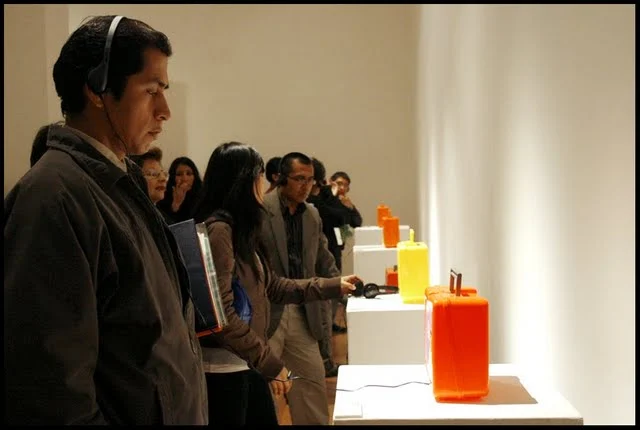
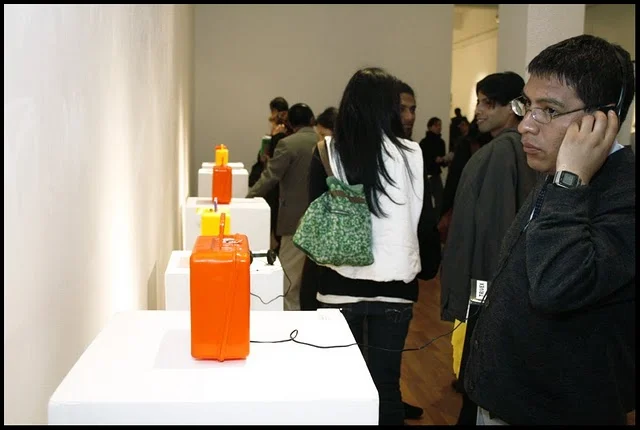
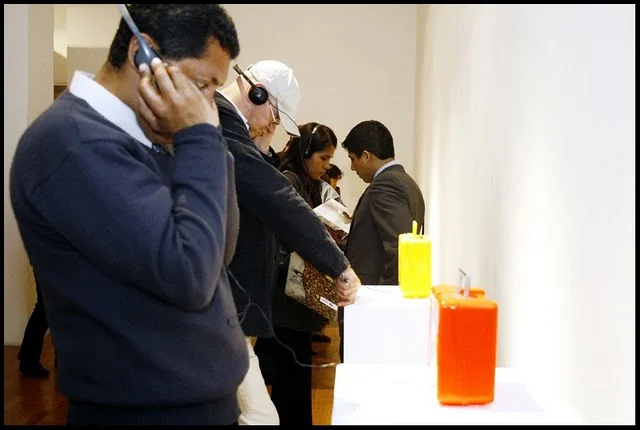
Views of the works
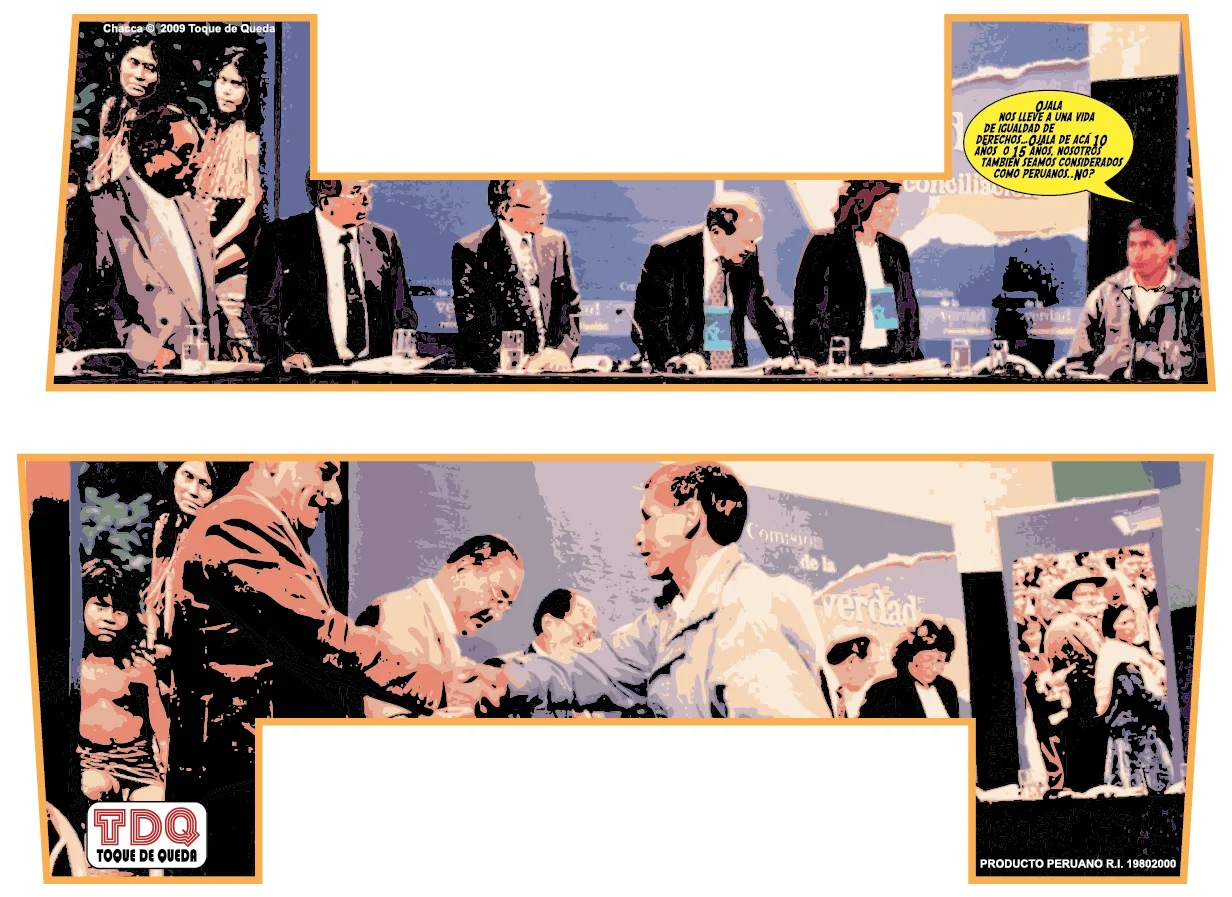
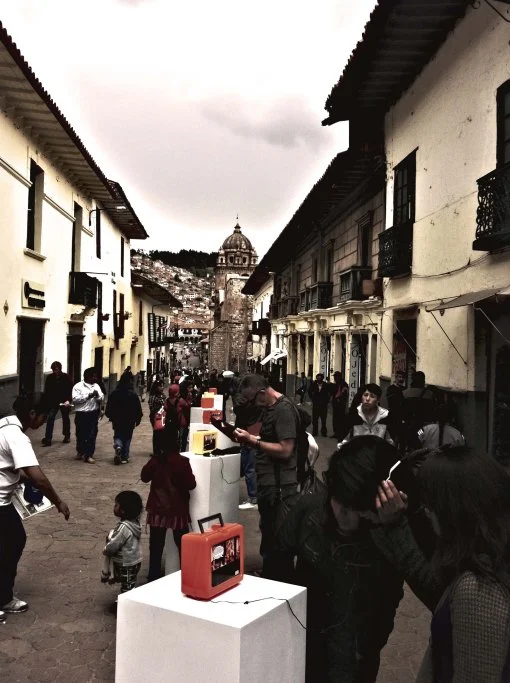
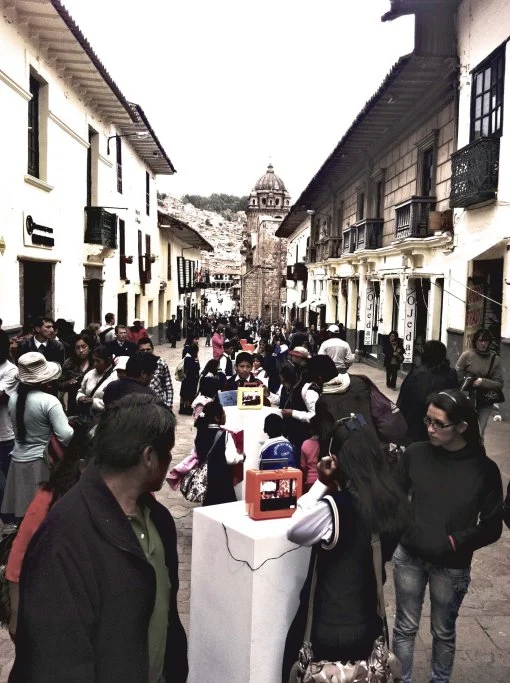
In public space
Reading and archive
The violence that struck Peru between 1980 and 1995 marked forever millions of Peruvians. As the bloodbath stretched by more and more areas of the country, journalists, social scientists and artists began to investigate the causes of the phenomenon, in the modus operandi of violent groups and their ideology, in the way how it affected entire populations and isolated individuals. That was how it began the arduous task of processing this social drama, taken with intensity as the rebel groups jeopardized our future as a nation and in the following years after the defeat of themselves. The report by the Commission for Truth and Reconciliation was the highlight of this effort. Such report must have been the bell to Peruvian society as a whole began a profound reflection on the phenomenon of political violence towards genuine national reconciliation and create memory that we do not wallow in a similar conflict. Powerful interests of different sign, however, they are pointing to discredit the Truth and Reconciliation Commission and cover with a blanket of silence what happened in the last two decades of the last century. Hence the importance that charge books like the artist Rudolph Castro, who, even though he was a child when car bombs shook Lima and thousands of Peruvians lost their lives in armed clashes, violence has become the focus of his work. And it is no coincidence it through the objects that make up the universe of a boy -toys, lunch boxes, dolls- that pushes the viewer to peer into the hell that lived Peru.
Published English text Original text ↗
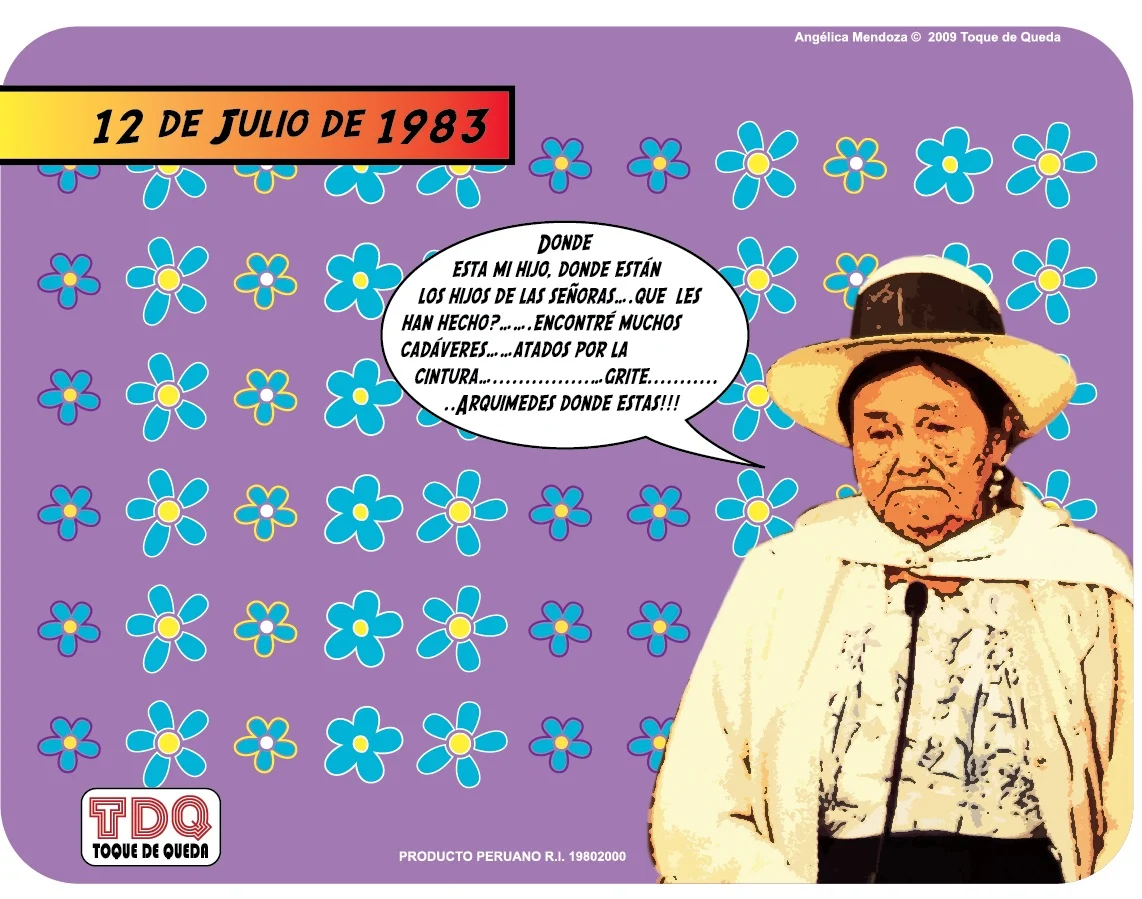
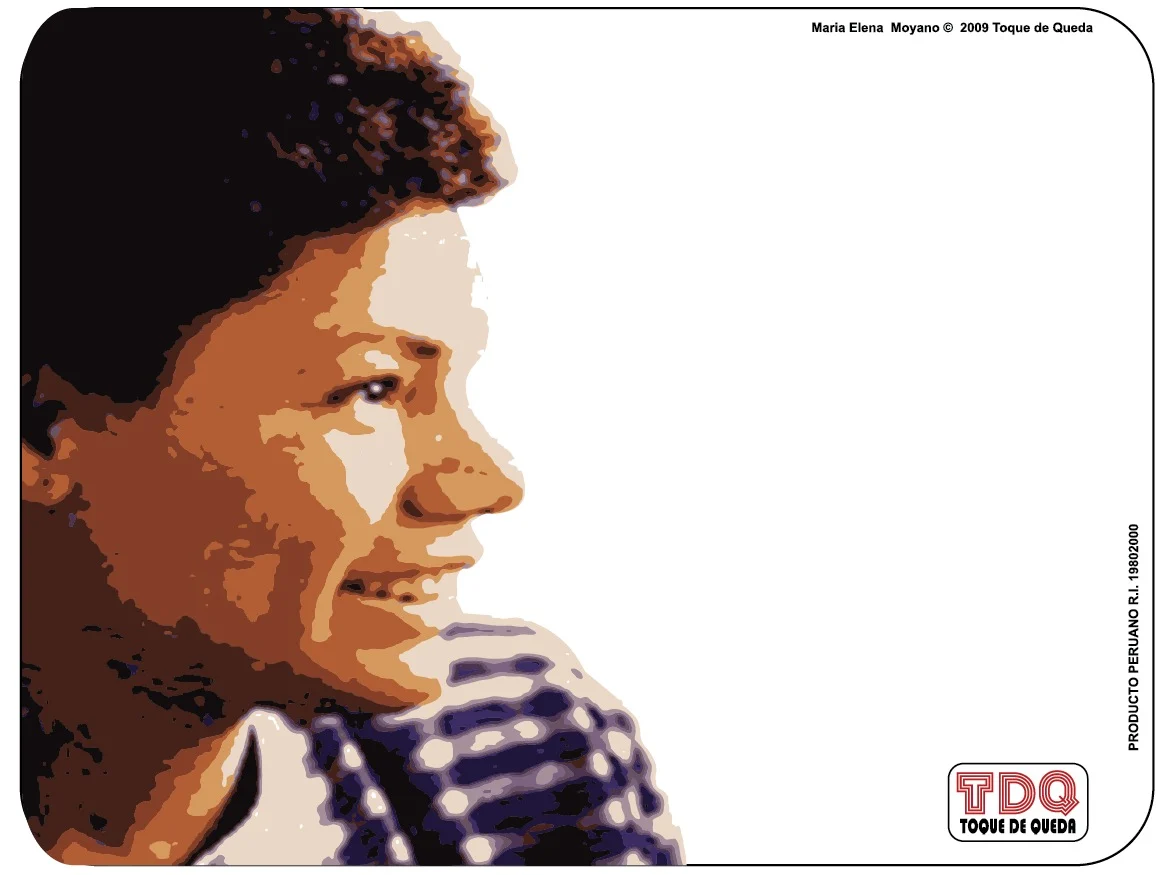
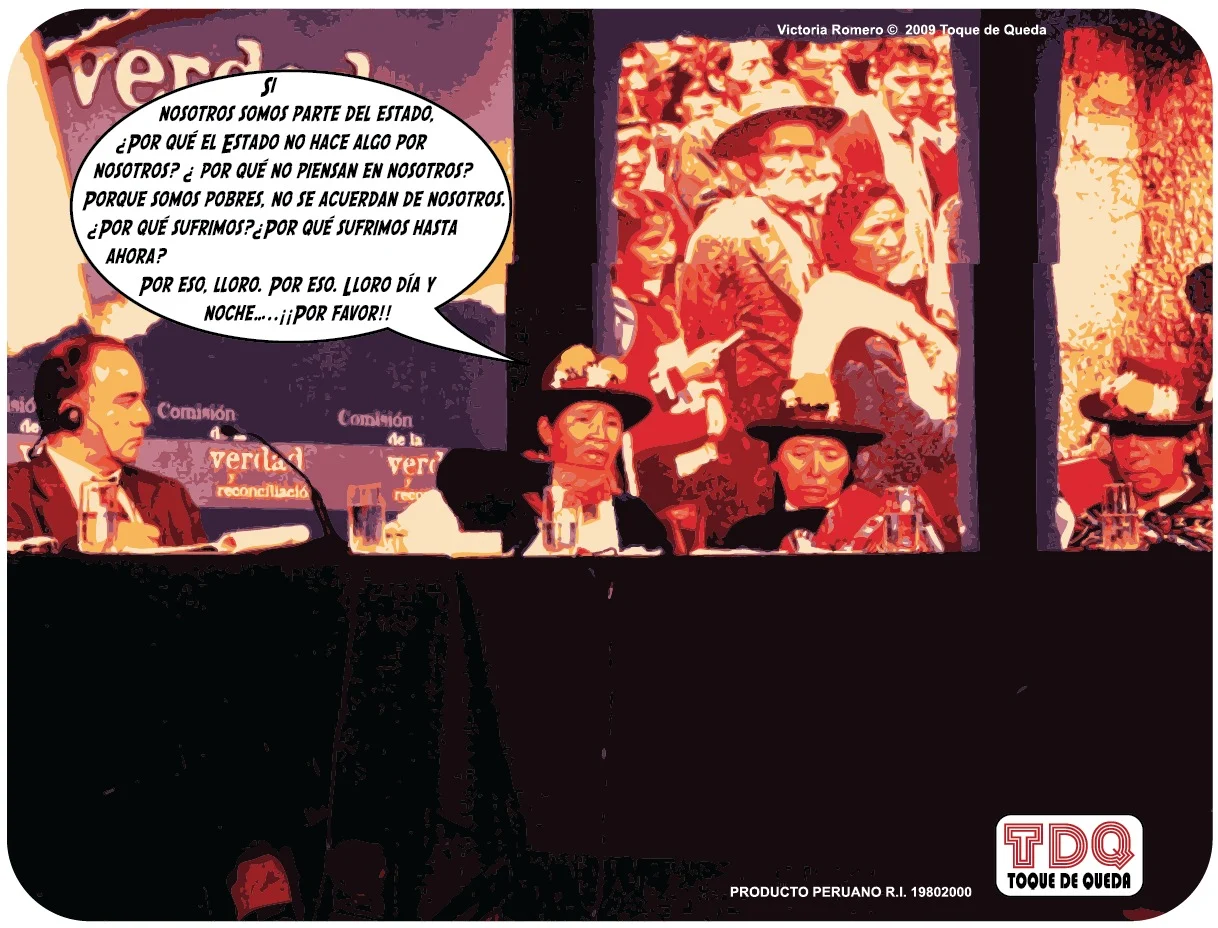
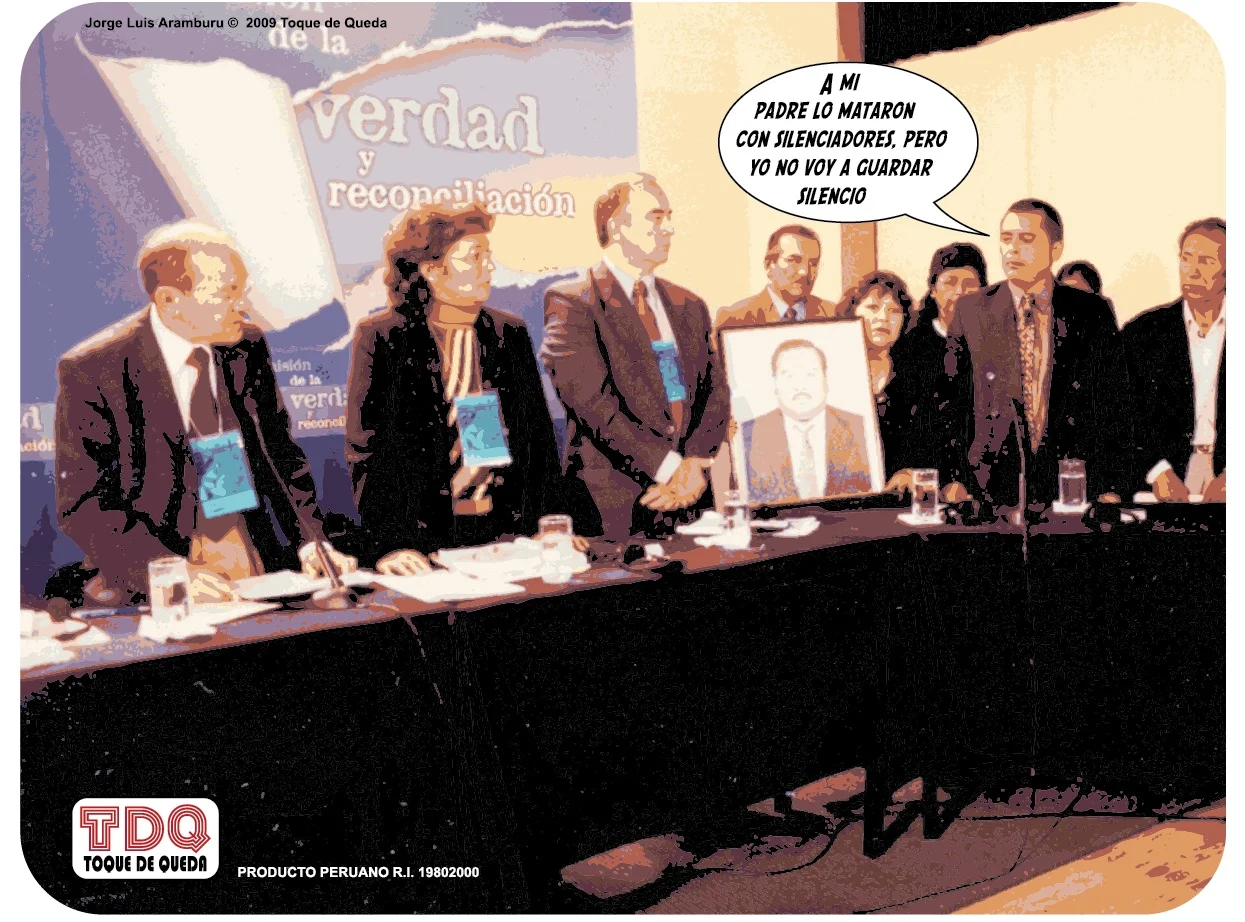
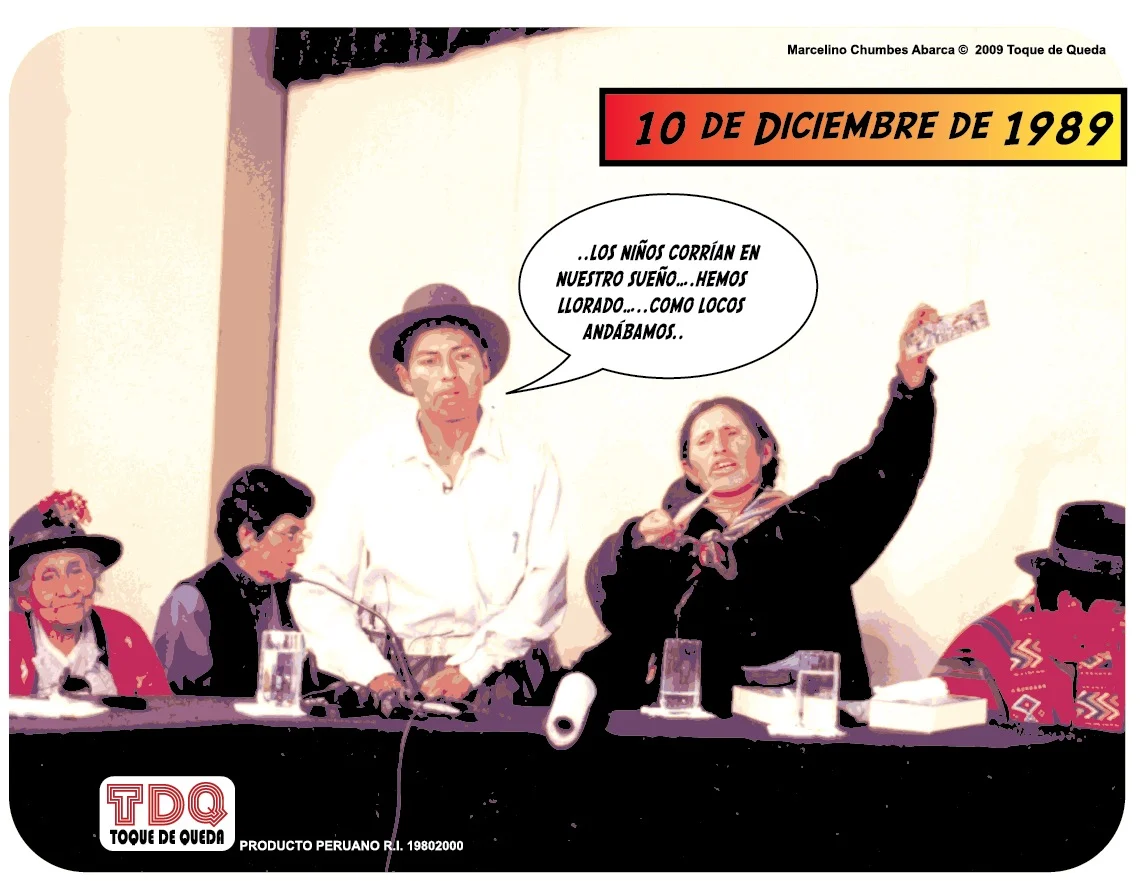
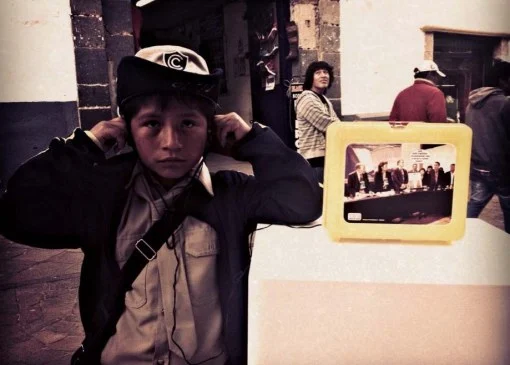
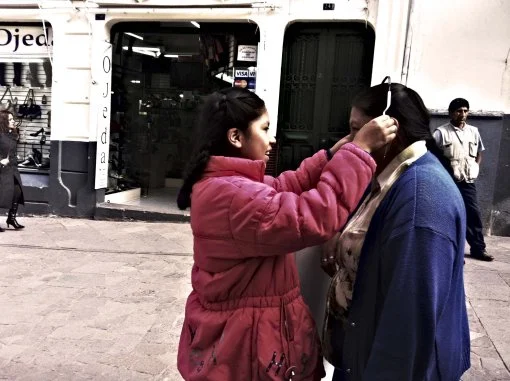
What are the lunch boxes? They are kind of small suitcases where children bring food to school. What characteristics do they have? In general, they are colorful and are printed with heroes of those cartoons with which children identify intensely. Are symbolic objects? Arguably lunchboxes remember a lost past, maternal food, fantasies that formed us in our childhood. So what has artist Rudolph Castro done today in Peru with them? He has changed the heroes and introduced them otherwise. Let’s observe carefully: the Thundercats do not appear, nor the Transformers or Droopy but the unsung heroes of political violence, that is, those people that survived the brutal violence of terrorism or military. Moreover, if you open these lunchboxes there are another type of food: the harrowing testimonies produced by many of these people before the TRC; the voices that today many politicians prefer not to listen. Rudolph Castro has thus produced a symbol that shakes us and challenges us radically. Our heroes have changed; food should be our memory.
Published English text Original text ↗
Project details
- Medium
- Altered objects and audio
- Field
- Art
- Archive
- Testimonies from the Truth and Reconciliation Commission
- Publication
- TDQ catalogue, Centro Guaman Poma de Ayala, 2012